


News Center
Quality-oriented-value symbiosis
Zhuhai sheet metal processing: undercut technology improves aesthetics and structural strength
Release time:
2025-01-22
Zhuhai sheet metal processing companies use undercut technology to improve the appearance and strength of sheet metal parts, which are widely used in medical, energy storage and other fields. The undercut is enhanced by mechanical bite connection, precise size control, selection of appropriate shape, surface treatment, multi-layer undercut and reasonable angle design, to improve structural strength and meet the needs of different industries.
In the field of sheet metal processing, Zhuhai's sheet metal processing companies continue to explore and innovate to meet the growing high-quality demand for sheet metal parts in various industries. Among them, the biting process, with its unique advantages, plays an important role in improving the beauty and structural strength of sheet metal parts, and is widely used in many fields such as medical equipment sheet metal processing and energy storage sheet metal processing.
Biting process principle
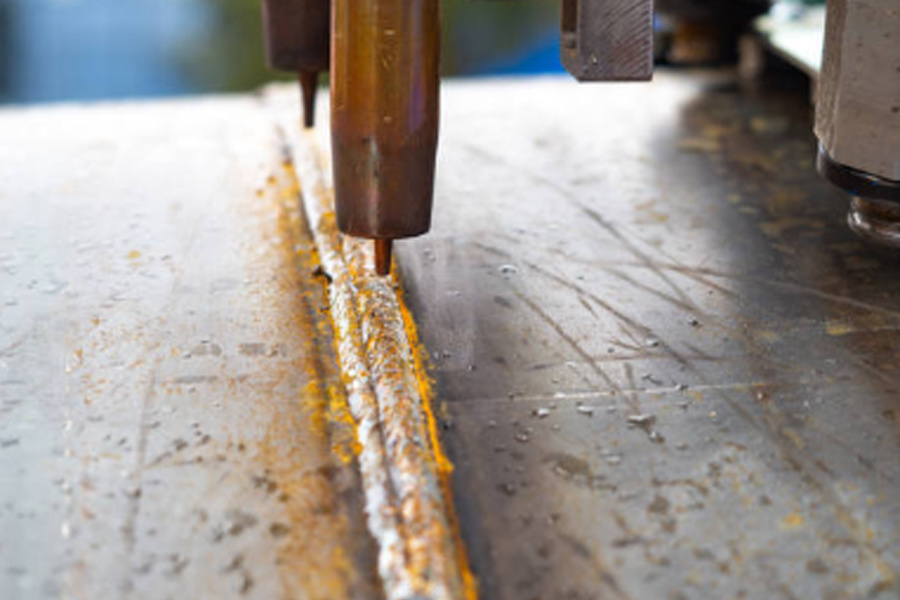
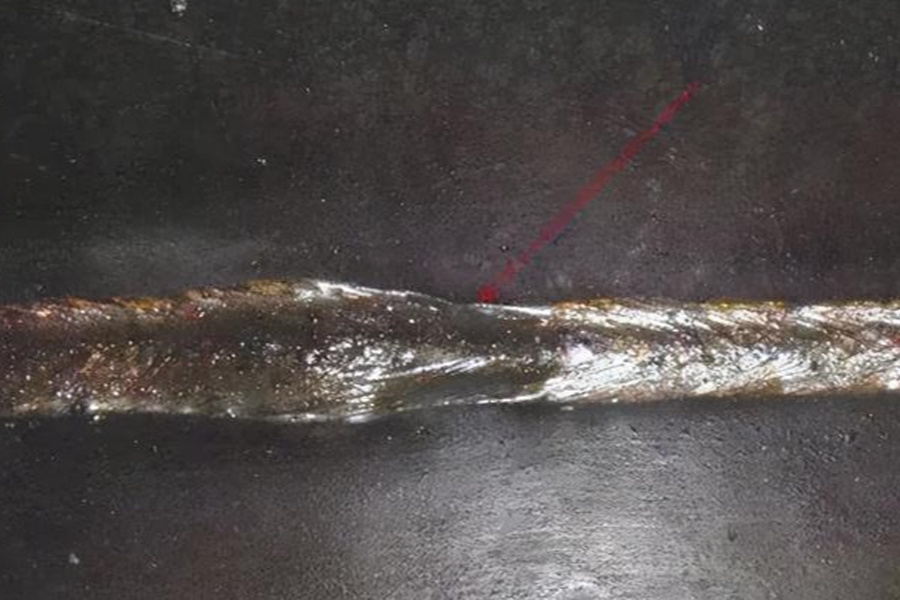
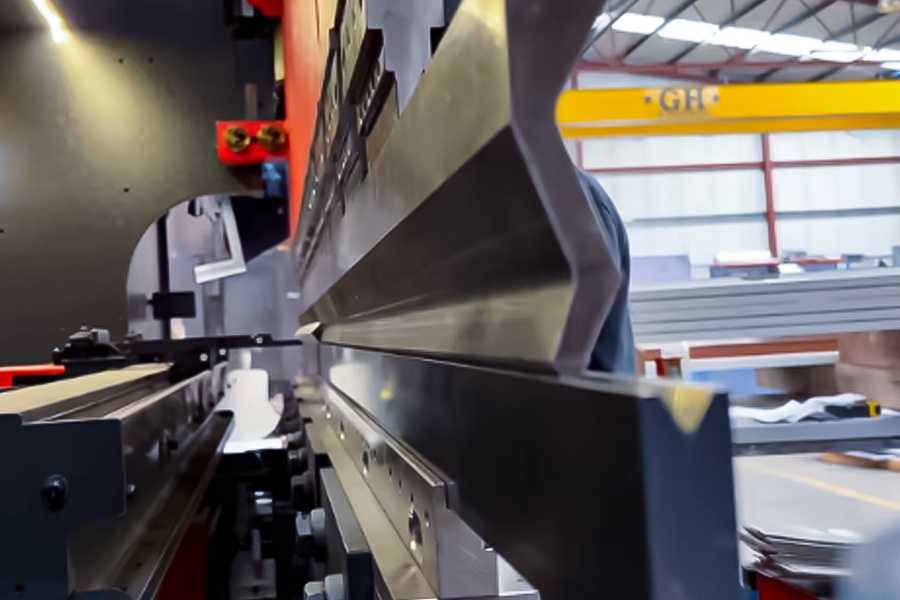
The biting process, in simple terms, is to bite the edges of two sheet metal plates into each other in a specific mechanical way, and then compact them to make them tightly combined. This process does not require welding or the use of a large number of connectors, but relies on the deformation and mutual embedding of the sheet itself to achieve connection. In Zhuhai's sheet metal processing workshop, technicians use special biting equipment to form a specific shape of bite on the edge of the sheet, such as single bite, double bite, etc., by precisely controlling the pressure and angle. These bites are nested with each other to form a mechanical interlocking structure, thereby enhancing the connection strength of the sheet metal.
Improve beauty
Precise size control: When performing biting operations, it is crucial to accurately control the width and depth of the biting. For example, for some metal sheet products with decorative requirements, such as metal crafts or high-end metal packaging boxes, uniform bite width can make the edge lines of the product smoother and neater. Usually, high-precision molds or CNC equipment are used to ensure the accuracy of the bite size, and the width error can be controlled within ±0.1mm.
Choose the right bite shape: There are many bite shapes, such as flat bite, semicircular bite, wave bite, etc. Different shapes are suitable for different design styles. For metal products with classical style, such as European classical style metal doors and windows, the use of semicircular bite can add an elegant and rounded beauty; while for some modern style metal decorative panels, wave bite can create a lively and dynamic visual effect. In the design process, it is necessary to choose the right bite shape according to the overall style and purpose of the product.
Surface treatment coordination: Surface treatment after bite can greatly enhance the beauty of the product. For example, polishing after the bite is completed can make the metal surface at the bite as bright as a mirror and enhance the texture of the product. For some products that need color effects, such as colored metal decorative strips, the edge is electroplated or painted after biting, so that the edge part is consistent with the color of the main body of the product, or forms a sharp contrast, so as to achieve the purpose of decoration.
Improve structural strength
Increase the number of layers of biting: The multi-layer biting structure can significantly improve the structural strength of the product. For example, when manufacturing metal containers, the use of double-layer or even triple-layer biting can enhance the compressive resistance of the container edge. Take an ordinary metal storage box as an example. The edge after double-layer biting can withstand about 50% more pressure than the single-layer biting without deformation. This is because the multi-layer biting makes the connection between the metal sheets tighter and the stress distribution more uniform.
Reasonable biting angle design: The design of the biting angle has a great influence on the structural strength. Generally speaking, when the biting angle is between 45 and 60 degrees, it can provide better structural strength. Within this angle range, when the biting part is subjected to external force, it can effectively disperse the force to the entire connection structure. For example, in metal frame structures, such as industrial metal shelves, a reasonable biting angle can prevent the edge of the shelf from tearing or deforming when carrying heavy objects.
Use appropriate biting materials and filling materials: Selecting metal materials with higher strength for biting is the basis for improving structural strength. For example, for metal curtain walls for buildings that need to withstand large external forces, high-strength aluminum alloys are used for biting to ensure the structural stability of the curtain wall in complex environments such as wind, sun, and rain. In addition, during the biting process, filler materials can also be used to enhance the connection strength. For example, in some metal pipe connections that require high sealing and strength, filling sealants or metal solders at the biting can improve the strength and sealing of the pipe connection and prevent liquid or gas leakage.
Application of biting technology in different fields
Medical equipment sheet metal processing: In addition to the medical equipment shell and operating table support structure mentioned above, the biting technology is also widely used in the production of internal frames of medical equipment. For example, the internal frames of large medical equipment such as CT machines and MRI machines need to have high precision and high strength to ensure the accurate installation and operation stability of internal parts of the equipment. The biting process can meet these requirements while ensuring the neat appearance of the frame and avoiding deformation caused by welding that affects the accuracy of the equipment.
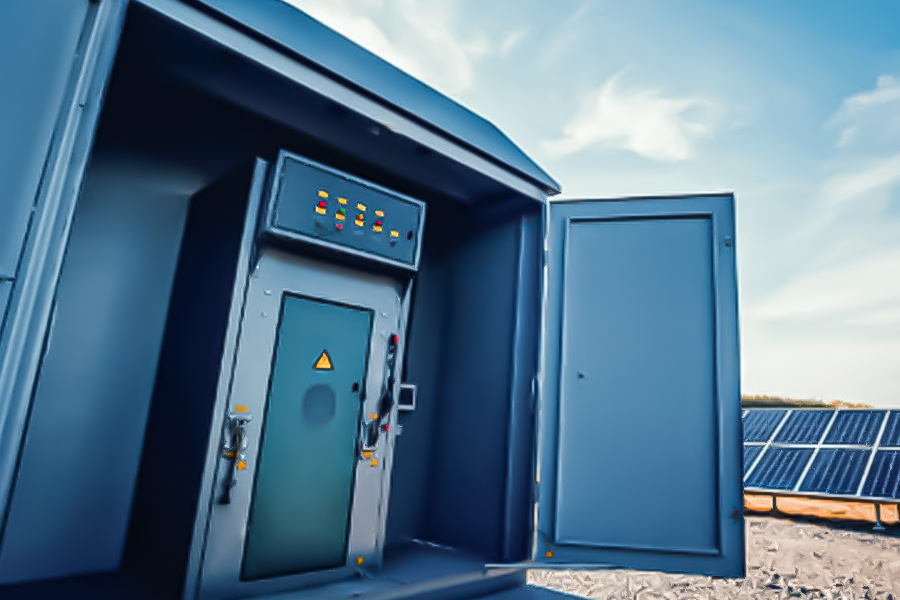
Energy storage sheet metal processing: In the field of energy storage, biting technology is used in everything from large energy storage power stations to small mobile power supplies. For example, the shell of the power distribution cabinet of the energy storage power station is connected by the biting process, which is not only beautiful and durable, but also effectively protects the internal electrical components from the influence of the external environment. In the production of the shell of the mobile power supply, the biting process can not only ensure the strength of the shell and prevent damage due to collision in daily use, but also improve the appearance texture and meet consumers' demand for product beauty.
-In Zhuhai sheet metal processing, especially in the field of medical equipment sheet metal processing and energy storage sheet metal processing, the biting process significantly improves the beauty and structural strength of sheet metal parts through a unique connection method. With the continuous improvement of the quality requirements of sheet metal parts in various industries, the biting process is expected to be widely used and further developed in more fields.
Key Words
Related Information
Quality-oriented-value symbiosis

Address: No.8, Chuangye East Road, Xiaolin District, Liangang Industrial Zone, Jinwan District, Zhuhai City, Guangdong Province
Links: