


News Center
Quality-oriented-value symbiosis
Flanging process: flange height and edge quality
Release time:
2025-02-07
In Zhuhai sheet metal processing, the flanging technology improves the flanging height and edge quality, helping to improve product quality. Through reasonable material selection, mold optimization, precise control of process parameters and subsequent processing, the flanging technology is widely used in electronic equipment, automotive parts and other fields, promoting the development of the industry. The flanging technology is widely used in electronic equipment, automotive parts and other fields, promoting the development of the industry.
In the field of sheet metal processing in Zhuhai, flanging technology, as a key technology, plays an important role in improving the height and edge quality of flanging. Together with sheet metal laser welding, sheet metal stamping, sheet metal riveting and other processes, it helps improve the quality of sheet metal products.
Principle of flanging technology
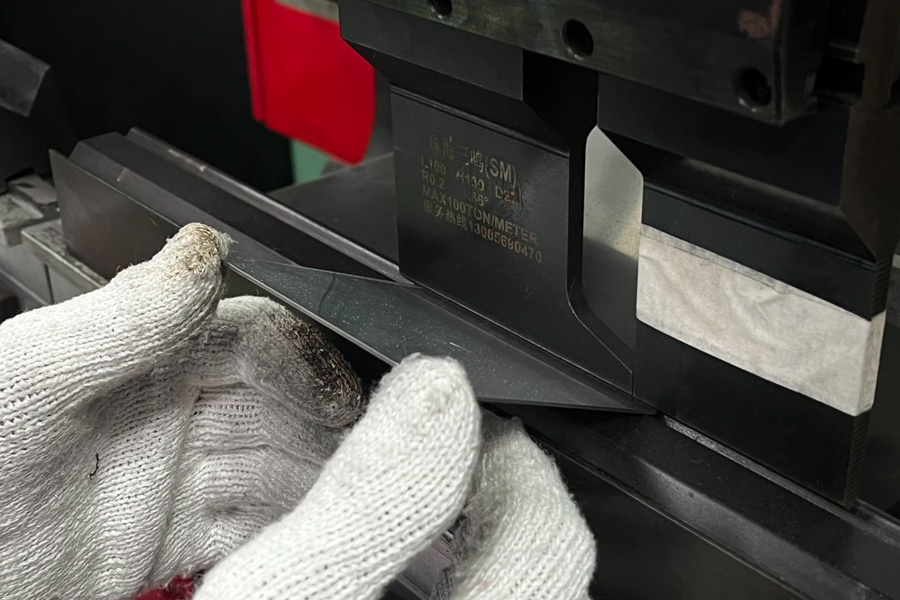
Flanging technology refers to the plastic deformation of the edge of the sheet metal through specific molds and processing equipment to form a straight wall or flange of a certain height. Its principle is based on the plastic properties of metal materials. Under pressure, the metal molecules on the edge of the sheet are rearranged to achieve a change in shape. When flanging, the design of the mold is crucial. Reasonable mold shape and size can guide the uniform deformation of the sheet, laying the foundation for improving the height and edge quality of the flanging.
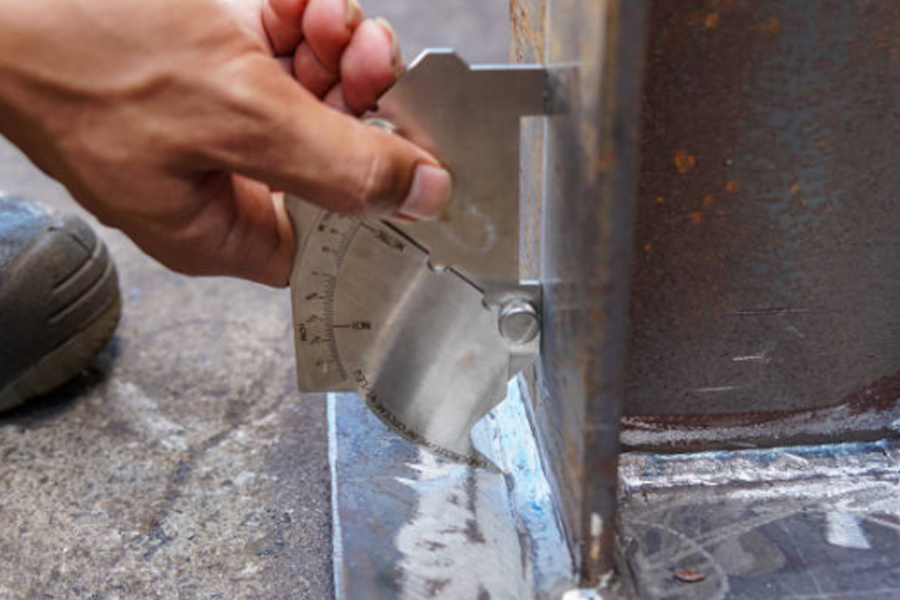
Key points for improving the height of flanging
Material selection and pretreatment: Suitable sheet metal materials are the basis for improving the height of flanging. In Zhuhai's sheet metal processing, sheets of different materials and thicknesses are selected according to different product requirements. Generally speaking, materials with better plasticity are more conducive to flanging, such as some specific models of aluminum alloy sheets. At the same time, pretreatment of the sheet, such as annealing, can further improve the plasticity of the material, reduce deformation resistance, and make it easier to achieve a higher flanging height during the flanging process.
Mold and equipment optimization: Advanced molds and equipment are the key to achieving high flanging height. High-precision molds can ensure that the sheet is evenly stressed during the flanging process and reduce the cracking caused by stress concentration. In the sheet metal stamping process, high-performance stamping equipment is equipped to accurately control the pressure, speed and stroke of the stamping, which can stably achieve a higher flanging height. For example, using CNC stamping equipment, the stamping parameters can be accurately adjusted according to the material and thickness of the sheet to ensure that the flanging height meets the design requirements.
Key points to improve edge quality
Flanging process parameter control: In the flanging process, the control of process parameters has a significant impact on edge quality. Appropriate flanging radius, flanging speed and flanging force are the key to ensuring edge quality. If the flanging radius is too small, it is easy to cause edge rupture; if the flanging speed is too fast, the edge may wrinkle. Through multiple tests and experience accumulation, the best combination of process parameters can be determined to effectively improve edge quality.
Subsequent processing technology: After flanging, sheet metal parts usually need to undergo subsequent processing technology to further improve the edge quality. Sheet metal laser welding has unique advantages in repairing minor defects on the edge of the flanging, which can make the edge smoother and flatter. At the same time, the use of processes such as sheet metal riveting can enhance the connection strength of the flanging part, prevent the edge from loosening or deformation, and thus improve the overall edge quality.
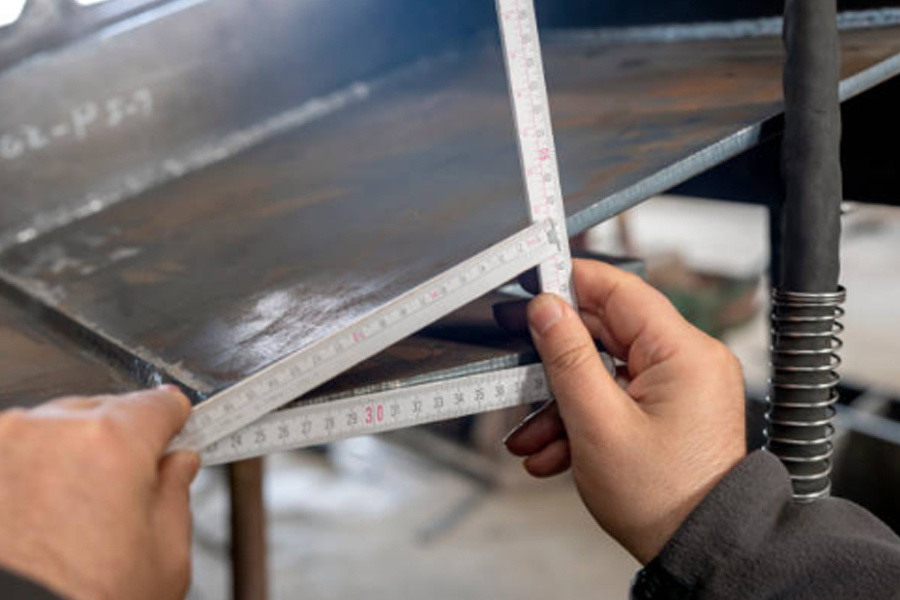
Application and advantages of flanging technology
Flanging technology is widely used in various fields of Zhuhai sheet metal processing. In the manufacture of electronic equipment housings, the flanging height can be increased by the flanging process, which can enhance the structural strength and sealing of the housing. At the same time, good edge quality also improves the appearance and texture of the product. In the sheet metal processing of automotive parts, the flanging process not only meets the assembly requirements of parts, but also improves the durability and reliability of parts by increasing the flanging height and edge quality.
The flanging process occupies an important position in Zhuhai sheet metal processing due to its characteristics of increasing the flanging height and edge quality. By rationally selecting materials, optimizing molds and equipment, accurately controlling process parameters, and adopting appropriate subsequent processing techniques, the advantages of the flanging process can be fully utilized to provide high-quality edge processing for various sheet metal products and promote the continuous development of Zhuhai's sheet metal processing industry.
Key Words
Related Information

Quality-oriented-value symbiosis

Address: No.8, Chuangye East Road, Xiaolin District, Liangang Industrial Zone, Jinwan District, Zhuhai City, Guangdong Province
Links: