


News Center
Quality-oriented-value symbiosis
How to improve the utilization rate of materials in sheet metal processing?
Release time:
2025-02-19
Improving material utilization is the key to improving the economic benefits and competitiveness of enterprises. This requires starting from multiple aspects such as material layout, processing technology optimization, waste material utilization and quality control. Through reasonable layout and optimized process, waste can be effectively reduced and processing loss can be reduced. At the same time, by strengthening quality control, material waste caused by processing errors can be avoided.
In the field of sheet metal processing, material costs often account for a large part of production costs. Therefore, improving the utilization rate of materials in sheet metal processing can not only reduce costs, but also improve the economic benefits and competitiveness of enterprises. Next, we will focus on the methods of improving the utilization rate of sheet metal materials and discuss them with the processing of inkjet printer parts as an example.
Reasonable cutting and layout
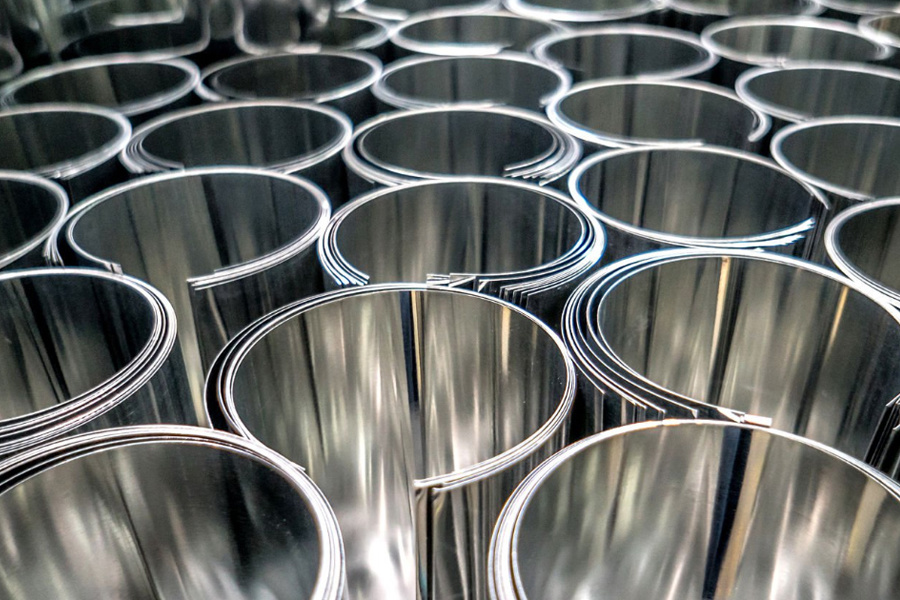
Cutting and layout is a key step to improve material utilization. In the processing of inkjet printer parts, we can use professional layout software to carry out scientific and reasonable layout according to the shape and size of inkjet printer parts. For example, parts of different shapes are cleverly combined so that they are arranged as closely as possible on the sheet to reduce the blank area between the sheets. In this way, the efficiency of sheet metal use can be greatly improved and the generation of waste can be reduced.
Optimizing processing technology
Optimizing processing technology is also very important for improving material utilization. In the process of stainless steel sheet metal processing, choosing a suitable cutting process can effectively reduce cutting losses. For example, compared with traditional shearing or stamping processes, laser cutting has narrower incisions and higher precision, which can reduce material waste caused by cutting processes. At the same time, during the processing, the processing parameters should be reasonably controlled to avoid additional material loss due to excessive processing, and ensure that each step of processing is accurate and efficient.
Reuse of residual materials
In the process of sheet metal processing, some residual materials will inevitably be generated. For these residual materials, they cannot be simply treated as waste. In the processing of inkjet printer parts, some smaller parts can be processed using residual materials. For example, some small brackets and connectors of inkjet printers have relatively low material size requirements, and suitable plates can be obtained from residual materials for processing. In this way, the secondary use of residual materials is achieved, further improving the overall utilization rate of materials.
Strengthen quality control
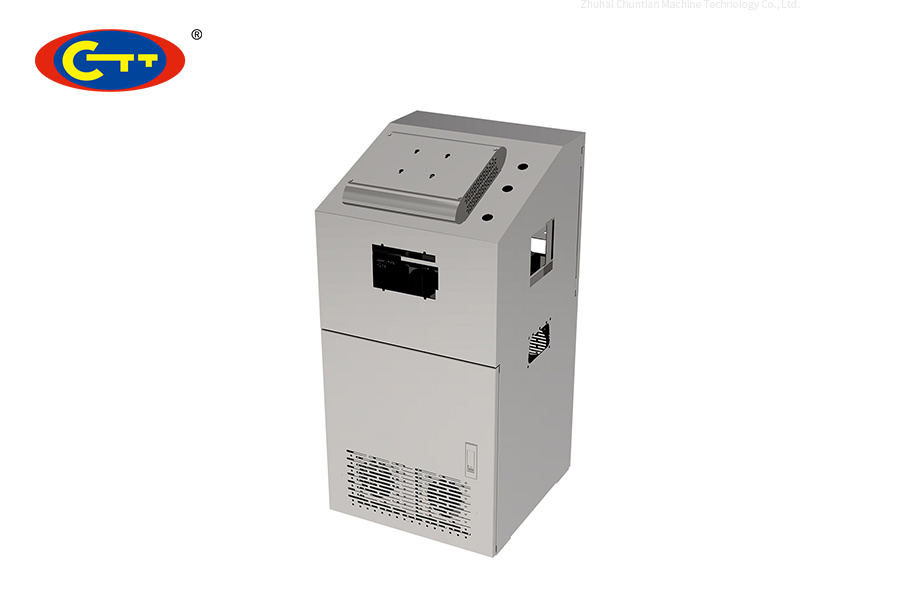
Strict quality control can avoid material waste caused by processing errors. When processing inkjet printer parts, strengthen the quality inspection of the processing process to ensure that the processing of each component meets the design requirements. Once problems such as dimensional deviation and surface defects are found during the processing process, adjust the processing technology or equipment parameters in time to avoid a large number of unqualified products, thereby reducing material waste.
Improving the utilization rate of materials in sheet metal processing requires starting from multiple aspects such as material layout, processing technology optimization, residual material utilization and quality control. Through these measures, we can effectively reduce costs and improve production efficiency in the processing of inkjet printer parts and other fields such as stainless steel sheet metal processing. If you want to know other questions about sheet metal processing, such as the characteristics of different sheet metal materials, please feel free to communicate with me.
Key Words
Related Information

Quality-oriented-value symbiosis

Address: No.8, Chuangye East Road, Xiaolin District, Liangang Industrial Zone, Jinwan District, Zhuhai City, Guangdong Province
Links: