


News Center
Quality-oriented-value symbiosis
How to avoid design errors in sheet metal processing
Release time:
2025-03-14
Through case analysis and research, this article reveals the "culprit" of design errors: process cognition fault, process chain collaboration blind spot and tolerance marking "idealization dilemma". The article proposes three golden rules for technical communication, including pre-verification of process feasibility, hierarchical control of dynamic tolerance marking system and joint review meeting of cross-functional collaborative design mechanism.
The "culprit" of design errors: process cognition gap
1. The "invisible conflict" between materials and processes
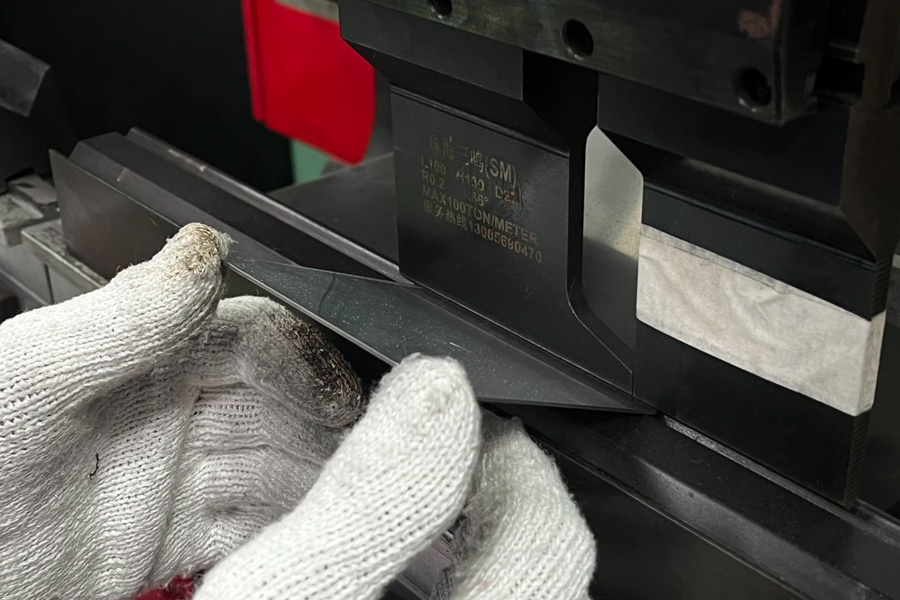
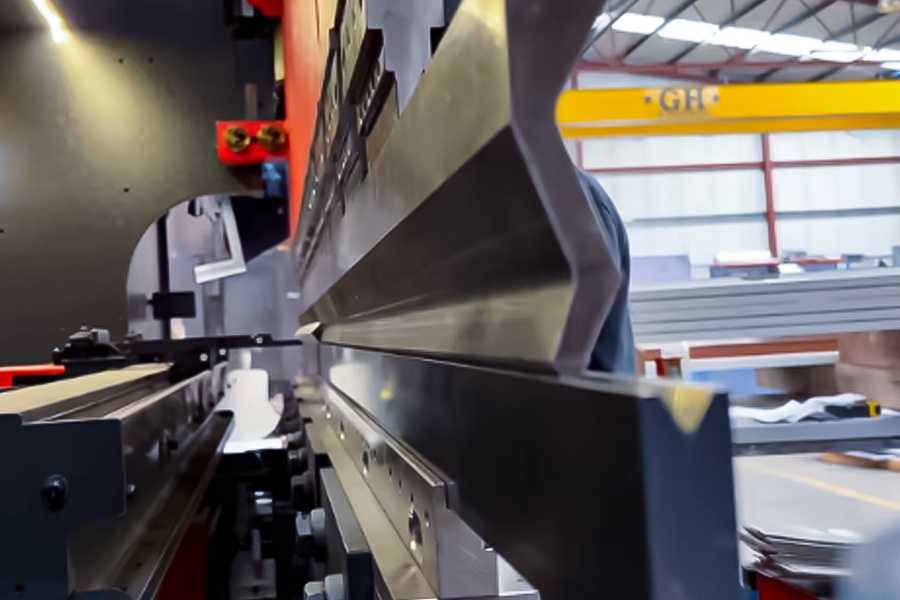
- Case: A sheet metal chassis is designed with 1.2mm 304 stainless steel, but the springback compensation of sheet metal stamping is not considered, resulting in a bending angle error of 2.3°, which exceeds the assembly tolerance.
- Core contradiction: Designers focus on functional parameters (strength, size), while suppliers focus on process limits (bending coefficient, mold life).
2. Blind spot of process chain collaboration
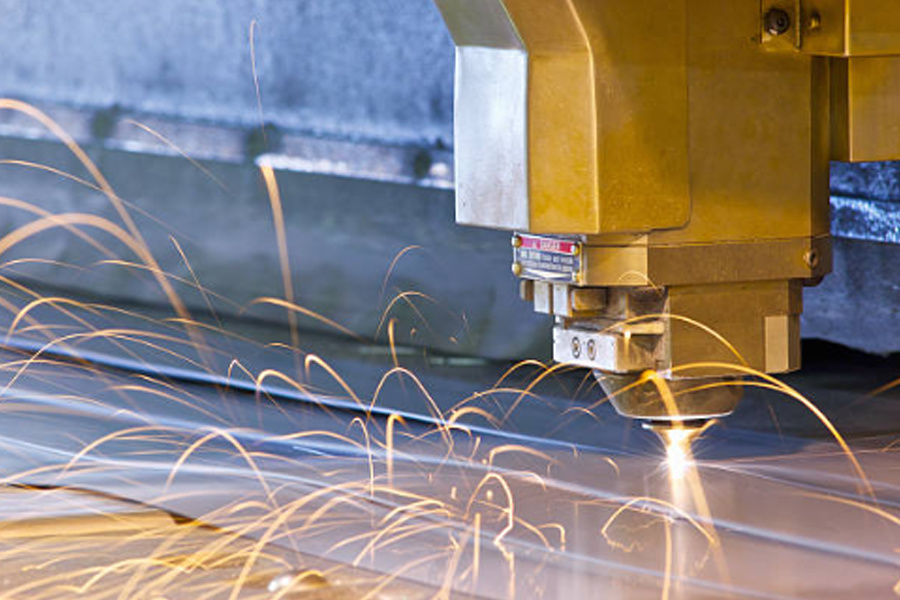
- Sheet metal laser welding trap: No allowance for the heat affected zone (HAZ) was reserved during design, and deformation after welding caused the flatness to exceed the tolerance by 0.5mm;
- Hidden dangers in the riveting process: The rivet point is only 2mm away from the edge (lower than the process lower limit of 3 times the rivet diameter), and the edge cracking rate of the plate during processing reaches 15%.
3. The "idealized dilemma" of tolerance marking
- Asymmetric tolerance waste: The non-matching surface of the sheet metal chassis requires ±0.1mm, and the actual processing cost is 3.7 times that of ±0.3mm;
- Difference loss dispute: The assembly reference surface is not clear, the supplier measures according to the inner wall of the bend, and the customer accepts according to the outer wall, which leads to batch rejection.
Three golden rules of technical communication
Rule 1: Pre-verification of process feasibility
- Process limit parameter table: Require suppliers to provide a list of equipment capabilities:
- Virtual manufacturing simulation: Upload the 3D model to the cloud platform of Chuntian Machinery to automatically generate a manufacturability analysis report (including interference warning).
- Case: Through simulation optimization, a new energy battery box reduced the sheet metal stamping process from 5 to 3, reducing costs by 28%.
Rule 2: Dynamic tolerance annotation system
Grade control strategy:
- Grade A (critical assembly dimensions): ±0.1mm (such as chassis installation holes), full inspection required;
- Grade B (function-related dimensions): ±0.3mm (such as heat dissipation hole spacing), 10% random inspection;
- Grade C (non-functional dimensions): ±0.5mm (such as decorative grooves), first piece confirmation is sufficient.
Data support: After implementing graded control, the drawing dispute rate of Chuntian Machinery customers dropped by 67%.
Rule 3: Cross-functional collaborative design mechanism
- Joint review meeting: Designers, process engineers, and quality inspectors jointly analyze drawings and mark high-risk areas;
- Sheet metal laser welding parameter library: Automatically match power according to material thickness (1mm stainless steel → 1200W pulse welding);
- Stamping die compensation value: Dynamic adjustment based on SPC data (such as 1.5mm aluminum plate rebound compensation 0.32mm);
- Physical verification iteration: The first piece must complete assembly testing (such as plug-in and pull-out force detection of chassis and PCB board).
- Tool implementation: Use the PLM system to synchronize design changes to ensure real-time linkage of supplier-side process parameters.

From error correction to prevention: the upgrade path of technical collaboration
1. Co-construction of digital knowledge base
- Defect case library: Collect typical problems such as sheet metal riveting cracking and laser welding deformation, and associate design improvement plans;
- Material database: Chuntian Machinery's "material-process" matching system, covering 87 types of metal sheet processing parameters.
2. Agile response to small batch orders
- Modular design: decompose the chassis into standard interface units (such as heat dissipation modules and mounting brackets) to shorten the verification cycle;
- Quick mold change system: for multi-variety orders, the mold switching time is compressed to 15 minutes (traditional production lines require 2 hours).
3. Full process traceability system
Each sheet metal chassis comes with a unique QR code, which can be scanned to obtain:
- Laser welding process parameters (power, speed, gas ratio);
- Mold compensation records for stamping processes;
- Pressure curve detection data of riveting points.

Design error prevention and control of sheet metal processing is essentially to transform the supplier's process wisdom into design rules. Through in-depth collaboration with technical partners such as Chuntian Machinery, enterprises can not only avoid typical problems such as sheet metal stamping rebound and laser welding deformation, but also activate the innovative ability of "manufacturing is design". When technical communication is upgraded from passive response to active empowerment, the profit space that was once swallowed by errors will eventually be transformed into an irreplaceable competitive advantage.
Key Words
Related Information

Quality-oriented-value symbiosis

Address: No.8, Chuangye East Road, Xiaolin District, Liangang Industrial Zone, Jinwan District, Zhuhai City, Guangdong Province
Links: