


News Center
Quality-oriented-value symbiosis
Sheet Metal Cost Control: 3 Strategies to Reduce Procurement
Release time:
2025-03-11
This paper reveals the key strategies of cost control from three dimensions: design optimization, production process and supply chain management. Through standardized design, structural simplification technology and process route optimization, the production efficiency is effectively improved, the scrap rate is reduced, and the cost is saved. At the same time, through the centralized procurement of materials and the establishment of strategic cooperation, the procurement cost is reduced.
In the sheet metal processing industry, cost control is the core embodiment of enterprise competitiveness. For customers, how to reduce procurement costs under the premise of ensuring quality has become an important consideration in choosing service providers. This paper will reveal the key strategies of cost control from three dimensions: design optimization, production process and supply chain management.
First, design optimization: reduce costs from the source
1. Standardized design principles
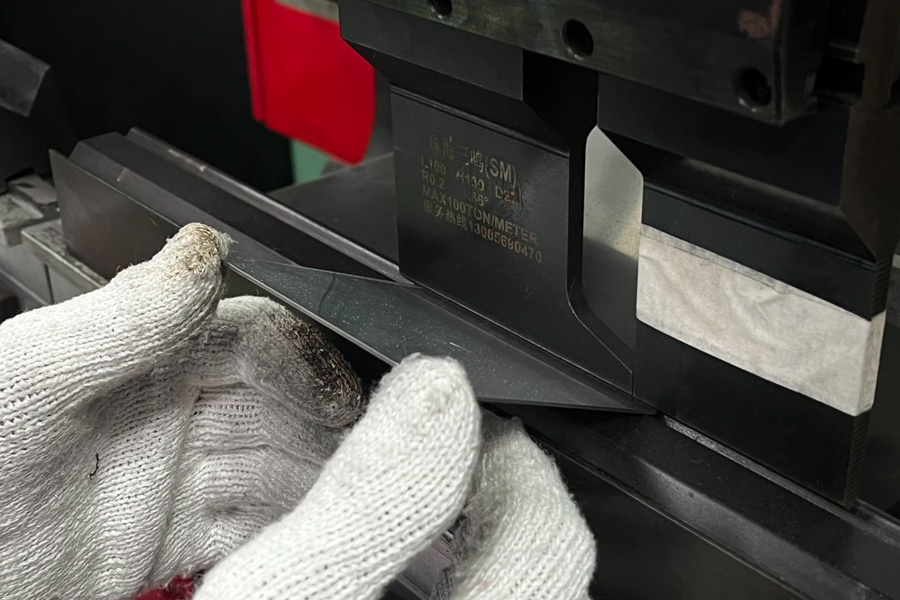
In precision sheet metal manufacturing, standardized design can reduce the cost of customization. For example, establish a universal bending Angle library (90°, 135°, etc.), reduce mold replacement time from 30 minutes to 5 minutes, and reduce the production cost of a single batch by 18%. At the same time, the uniform plate thickness (such as the fixed use of 1.5mm, 2mm specifications) can reduce the waste of raw materials.
2. Structure simplification technology
By optimizing the structural design of sheet metal chassis machining, the machining complexity can be significantly reduced.
3. Simulation verification application
The feasibility of the design was verified in advance by finite element analysis (FEA). Through simulation, it is found that the original design has the problem of stress concentration at the bend. After modification, the late heat treatment process is avoided, and the cost of a batch is reduced by 150,000 yuan.

Second, the production process: the core path of efficiency improvement
1. Device upgrade policy
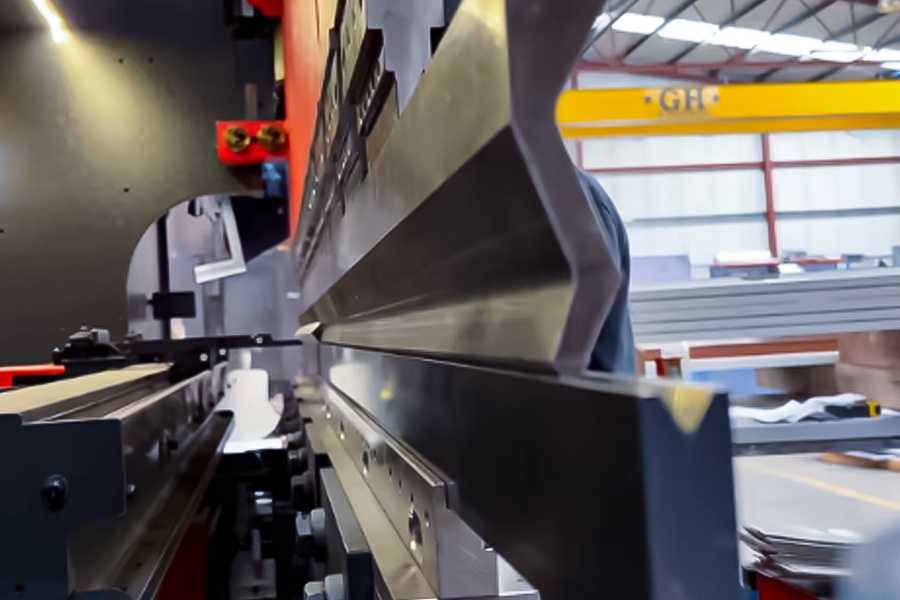
The introduction of intelligent equipment can reduce costs and increase efficiency. The automatic compensation system increases the bending accuracy from ±0.3mm to ±0.1mm, reducing the scrap rate by 80%. The equipment investment is recouped within 14 months through reduced rework costs.
2. Process route optimization
Establish standardized process templates, such as reducing the standard process time of laser cutting → bending → welding to 2.3 hours. Through the optimization of the process route, the delivery cycle of medical sheet metal processing is shortened from 7 days to 4 days, and the storage cost is reduced by 25%.
3. Advance quality control
Implement the dual control mode of first piece inspection + process sampling inspection. In the processing of medical device parts, by conducting dimensional detection immediately after the bending process, the scrap rate was reduced from 1.2% to 0.3%, and the annual cost savings exceeded 500,000 yuan.

Supply chain management: the hidden battlefield of cost control
1. Centralized procurement of materials
Establish strategic cooperation with suppliers, reduce the purchase price of stainless steel sheet by 8%, and save more than 2 million yuan annually. At the same time, the VMI (vendor managed inventory) model is adopted to reduce the inventory capital occupation of enterprises.
2. Reuse scraps
Establish scrap grading system:
Grade A material (≥200mm×200mm) : Used for small sheet metal production
Grade B material (≥100mm×100mm) : as welding auxiliary material
Grade C material: recycled and melted
Future trend outlook
Digital cost model: real-time monitoring of the cost of each link through the industrial Internet platform
Low-carbon process innovation: Develop new sheet metal processing technologies that reduce energy consumption by more than 30%
Flexible production system: Cost optimization for multi-variety and small-batch orders
Controlling sheet metal processing costs requires systematic thinking and closed-loop management from the design source to the end of the supply chain. Enterprises should choose key breakthrough directions according to their own characteristics, and achieve continuous optimization of customer procurement costs under the premise of ensuring product quality. Through technological innovation and management to enhance the two-wheel drive, in order to occupy a dominant position in the fierce market competition.
Key Words
Related Information

Quality-oriented-value symbiosis

Address: No.8, Chuangye East Road, Xiaolin District, Liangang Industrial Zone, Jinwan District, Zhuhai City, Guangdong Province
Links: