


News Center
Quality-oriented-value symbiosis
Medical Sheet Metal Fabrication for GMP Compliance
Release time:
2025-03-21
Medical sheet metal processing must comply with GMP clean room standards, using corrosion-resistant materials, precision technology, electrolytic polishing and strict environmental control to ensure the sterility and safety of accessories, and to protect the reliability of medical equipment and the health of patients.
In the medical industry, ensuring the safety and sterility of medical equipment is of utmost importance. The GMP (Good Manufacturing Practice) clean room standards impose strict requirements on the production environment of medical equipment, which includes the processing of sheet metal parts used in the manufacture of medical equipment. As an important component of medical equipment, whether the processing of sheet metal parts complies with the GMP clean room standards is directly related to the quality of medical equipment and the safety of patients.
The Key Role of Material Selection
Choosing the right materials is the first step in meeting GMP clean room standards. For the processing of sheet metal parts for medical equipment, materials with good corrosion resistance, easy to clean and disinfect should be preferred. For example, stainless steel, especially 304 or 316L stainless steel, due to its high chromium and nickel content, can effectively resist the erosion of chemical substances and reduce the risk of surface corrosion and rust. This is similar to the material requirements in energy storage cabinet sheet metal processing. In the customized processing of new energy cabinets, the stability of materials in different environments also needs to be considered. These materials have a smooth surface and are not easy to accumulate dust and microorganisms, which meets the low particle release requirements of clean rooms for materials. Avoid using materials that are prone to generate debris, impurities or deform easily to prevent contamination of the clean room environment during processing and use.
The Importance of Precision Processing Technology
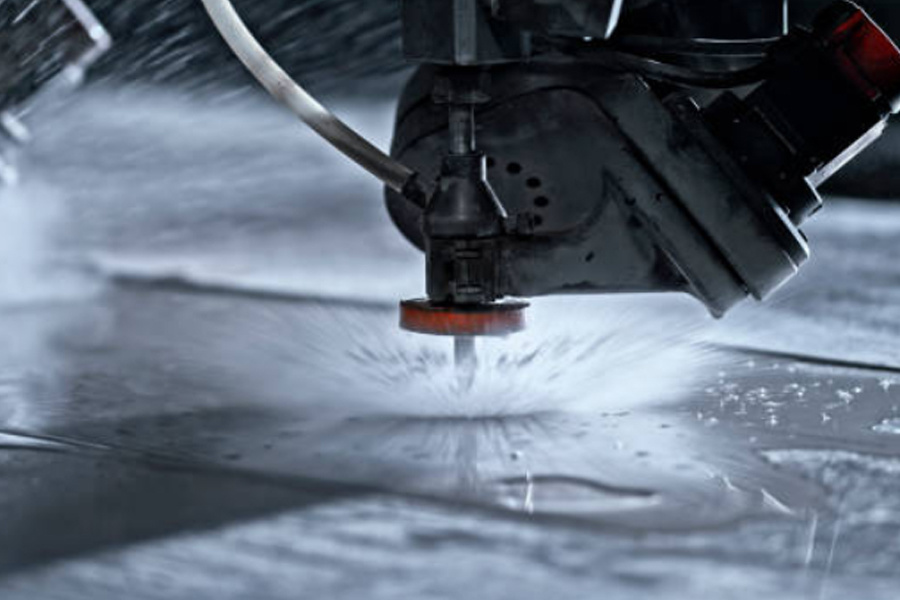
Adopting precision processing technology can ensure the quality and accuracy of sheet metal parts, thus meeting GMP clean room standards. During the processing, dimensional tolerances should be strictly controlled to ensure the precise fit of the parts. For example, through advanced CNC processing equipment, high-precision cutting, bending and stamping can be achieved, reducing human errors. The processing of ink jet printer chassis also requires high precision to ensure the normal operation of the equipment. At the same time, attention should be paid to the surface quality during processing to avoid defects such as scratches and burrs, as these defects may become a breeding ground for microorganisms. Using advanced technologies such as laser cutting can not only improve cutting accuracy, but also make the cutting edge smoother and reduce subsequent processing procedures.
The Key Steps of Surface Treatment
Surface treatment is an important part of the processing of sheet metal parts for medical equipment to meet GMP clean room standards. Common surface treatment methods include passivation, electrolytic polishing, etc. Passivation treatment can form a dense oxide film on the metal surface, enhance its corrosion resistance, and reduce the release of metal ions. Electrolytic polishing can further improve the surface finish, reduce surface roughness, and make it easier to clean and disinfect. Good surface treatment can also prevent electrostatic accumulation and avoid the adsorption of dust and particles due to static electricity, thus maintaining the clean environment of the clean room. This is similar to the surface treatment requirements in the customized processing of new energy cabinets, both need to consider the stability and cleanliness convenience of products in specific environments.
The Strict Control of the Production Environment
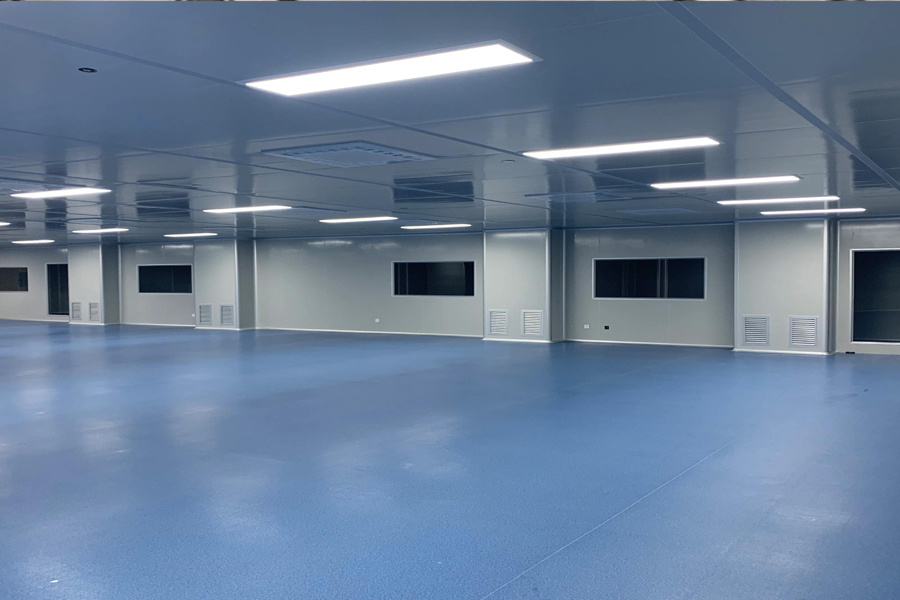
The processing of sheet metal parts for medical equipment must be carried out in a clean room that meets GMP requirements. The clean room should be equipped with an efficient air filtration system that can effectively filter dust particles and microorganisms in the air and maintain the cleanliness of the indoor air. Personnel and materials entering the clean room need to go through strict purification procedures. For example, personnel should wear special clean clothes, and materials should be cleaned and disinfected. Processing equipment also needs to be regularly maintained and cleaned to prevent debris and pollutants generated by equipment failures from entering the clean room environment. Just like the production of ink jet printer chassis, a relatively clean environment is also required to ensure product quality.
Quality Inspection and Monitoring
Establishing a perfect quality inspection and monitoring system is the guarantee to ensure that the processing of sheet metal parts for medical equipment meets GMP clean room standards. During the processing, strict quality inspection should be carried out for each process, including dimensional measurement, surface quality inspection, etc. Advanced inspection equipment such as coordinate measuring machines and microscopes are used to ensure that the quality of the parts meets the standard requirements. At the same time, the production process should be monitored in real-time, and key parameters and data should be recorded to facilitate timely traceability and analysis of causes in case of problems.
To meet the GMP clean room standards for the processing of sheet metal parts for medical equipment, it is necessary to start from multiple aspects such as material selection, processing technology, surface treatment, production environment control and quality inspection. Only by strictly controlling each link can high-quality sheet metal parts for medical equipment that meet the standards be produced, ensuring the safe and effective use of medical equipment. This is not only related to the development of the medical industry, but also to the life and health of patients. In actual operation, enterprises should continuously improve their technical level and management ability to adapt to the increasingly strict industry standards and market demands.
Frequently Asked Questions
1. Q: Can ordinary carbon steel be used instead of stainless steel for the processing of sheet metal parts for medical equipment?
● A: Ordinary carbon steel is prone to rust and corrosion, and does not meet the corrosion resistance and low particle release requirements of GMP clean rooms for materials, so it is not recommended.
2. Q: What impact will unqualified surface treatment have on medical equipment?
● A: Unqualified surface treatment may lead to a rough surface of the equipment, which is prone to the growth of microorganisms, affecting the sterility of the equipment and potentially threatening the health of patients.
3. Q: How to ensure the air cleanliness in the clean room during the production process?
● A: The air cleanliness can be ensured by regularly maintaining the air filtration system, controlling the entry and exit of personnel and materials, and regularly testing and cleaning the clean room.
Key Words
Related Information

Quality-oriented-value symbiosis

Address: No.8, Chuangye East Road, Xiaolin District, Liangang Industrial Zone, Jinwan District, Zhuhai City, Guangdong Province
Links: