


News Center
Quality-oriented-value symbiosis
Sheet Metal Fabrication: Key to Precision Industrial Growth
Release time:
2025-04-14
Sheet metal processing technology is flexible and precise, especially suitable for rapid iteration of industrial product development. Its core advantages lie in multi-material adaptability and high-precision molding, and are widely used in multiple industries. With the advancement of intelligent manufacturing, sheet metal processing technology is developing in a more efficient and environmentally friendly direction. How to choose a reliable sheet metal processing service provider? Enterprises need to pay attention to technological innovation.
Process characteristics and core advantages of sheet metal processing
Sheet metal processing refers to the process of processing metal sheets into parts of specific shapes and sizes through shearing, stamping, bending, welding and other processes. Its core advantages lie in flexibility and precision:
● Multi-material adaptability: It can process a variety of metal sheets such as stainless steel, aluminum alloy, carbon steel, etc., to meet the needs of strength, corrosion resistance and lightweight in different scenarios.
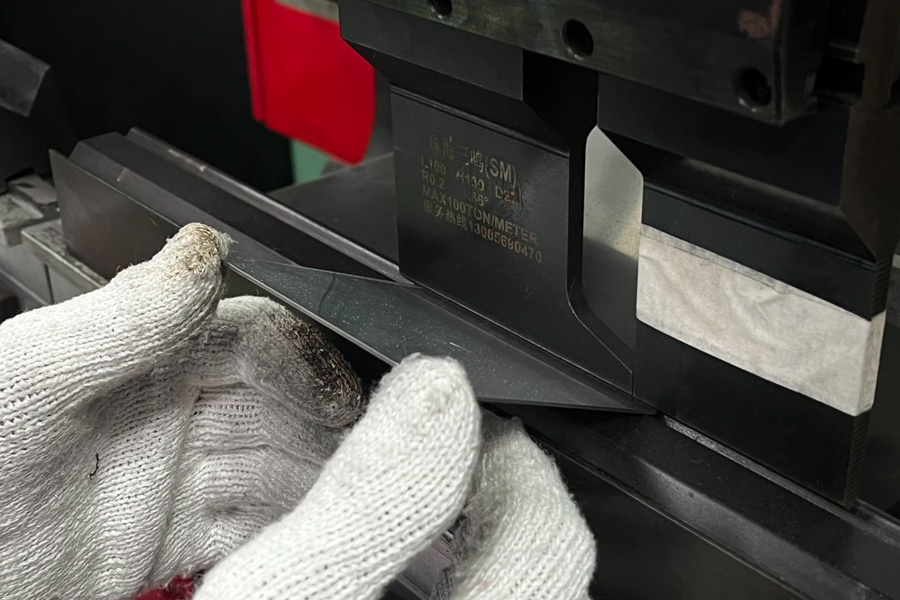
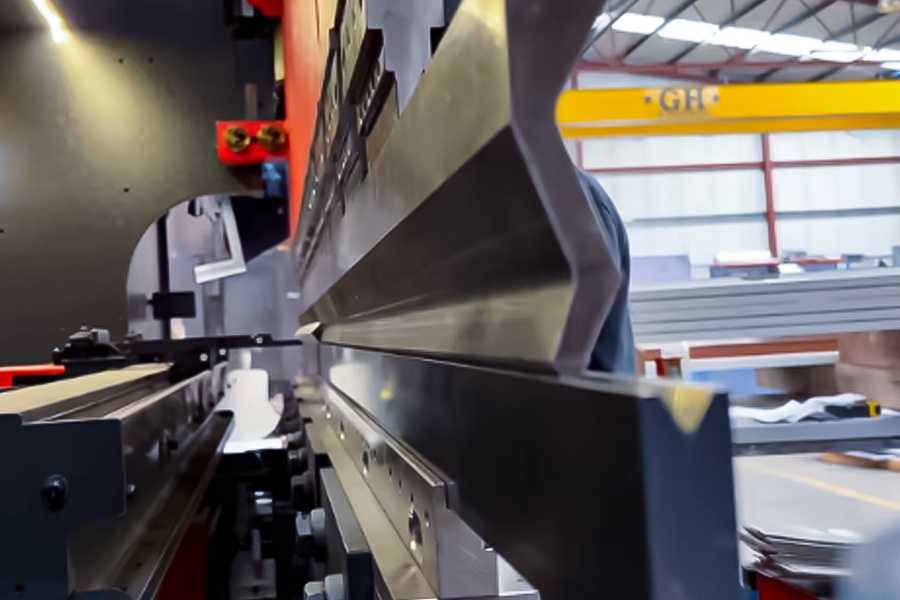
● High-precision molding: With the help of CNC machine tools (such as laser cutting machines, CNC bending machines) and digital design technology, it can achieve precise processing of complex structural parts, and error control reaches high industry standards.
● Efficient production mode: From design to mass production, the process is highly standardized, supporting small batch customization and large-scale production, and greatly shortening the product delivery cycle.
The flexibility of this process makes it a "basic supporting technology" for the manufacturing industry, especially suitable for industrial product development that requires rapid iteration.
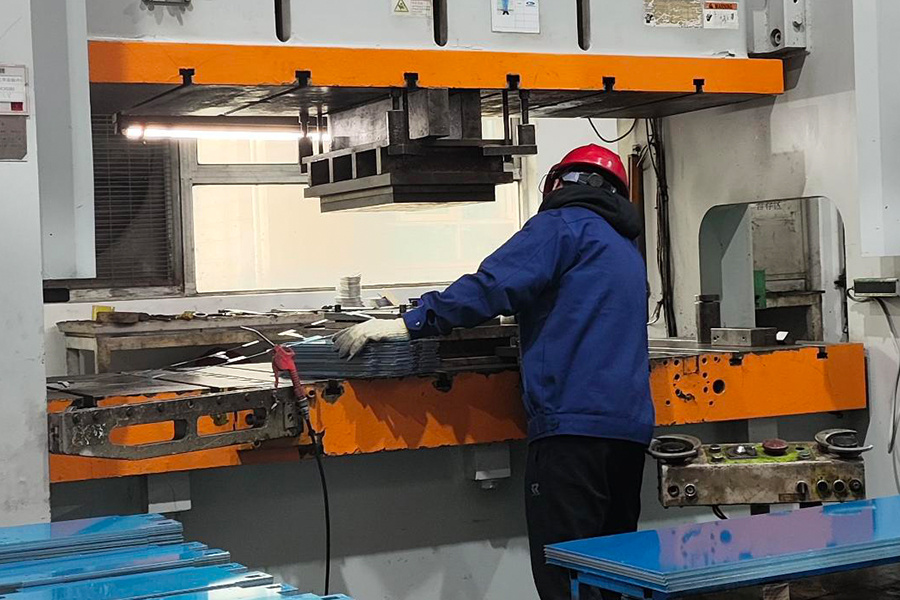
Application fields and value of sheet metal processing
The lightweight and high-strength characteristics of sheet metal parts make them widely used in multiple industries:
● Industrial equipment manufacturing: such as cabinets, control boxes, mechanical housings, etc., which need to meet protection needs while taking into account heat dissipation and assembly convenience.
● Electronic communications: 5G base stations, server chassis and other precision parts have extremely high requirements for dimensional accuracy and electromagnetic shielding performance, and sheet metal processing can provide reliable solutions.
● New energy vehicles: battery trays, body structural parts, etc. are lightweight through sheet metal processing, helping to improve endurance and safety.
● Architectural decoration: Metal curtain walls and customized metal decorative parts are both functional and aesthetic through surface treatment technology (such as spraying and electroplating).
In these scenarios, sheet metal processing not only reduces material loss, but also improves the overall performance of the product through structural optimization, creating long-term value for end users.
Industry technology upgrade and future trends
With the advancement of intelligent manufacturing, sheet metal processing technology is developing in a more efficient and environmentally friendly direction:
● Automation and intelligence: The application of robot welding and intelligent warehousing systems reduces manual intervention and improves production consistency; AI algorithms optimize production scheduling and further reduce costs.
● Green manufacturing concept: Laser cutting replaces traditional stamping to reduce mold consumption, and water jet cutting technology reduces dust pollution and promotes sustainable development.
● Process fusion innovation: 3D printing and sheet metal are combined to realize the manufacturing of special-shaped structural parts and broaden the design boundaries; Internet of Things technology realizes remote monitoring of equipment status and ensures production stability.
In the future, sheet metal processing companies need to continue to pay attention to technological innovation in order to gain an advantage in the fierce market competition.
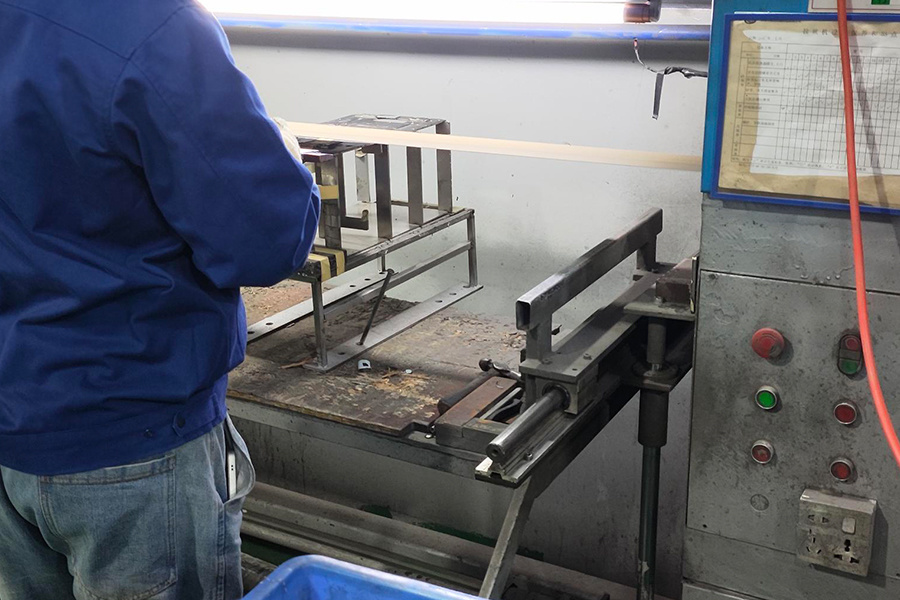
How to choose a reliable sheet metal processing service provider?
When looking for partners, companies can focus on the following dimensions:
● Technical capabilities: whether they have advanced CNC equipment and mature processes, and whether they can handle difficult design requirements.
● Quality control system: whether full-process standardized management is established from raw material inspection to finished product testing.
● Design support service: Can DFM (design for manufacturability) optimization suggestions be provided to help customers reduce costs.
● Delivery guarantee: Whether there is flexible production capacity and whether it can respond quickly to urgent orders.
Choosing a sheet metal processing service provider with solid technology and perfect services can escort every link of the product from drawing to landing.
As the cornerstone technology of modern manufacturing, sheet metal processing is constantly breaking through the application boundaries through technological innovation. Whether it is the upgrading needs of traditional industries or the customized challenges in emerging fields, this technology can provide support in an efficient and accurate way. For enterprises, embracing the trend of intelligence and greening and choosing professional sheet metal processing partners will become the key to improving product competitiveness and achieving cost reduction and efficiency improvement.
Key Words
Related Information

Quality-oriented-value symbiosis

Address: No.8, Chuangye East Road, Xiaolin District, Liangang Industrial Zone, Jinwan District, Zhuhai City, Guangdong Province
Links: