


News Center
Quality-oriented-value symbiosis
What issues are involved in surface treatment of medical sheet metal processing?
Release time:
2024-04-08
What are the problems related to the surface treatment operation of medical sheet metal processing? How to optimize the design?
In the machining industry, sheet metal processing technology is very important. This process can decorate and design the surface of the product, and has a maintenance role. In the customization of precision sheet metal processing, common surface treatment methods include electroplating, spray painting and other types of surface treatment. Follow a medical sheet metal processing company to learn how to properly handle the surface treatment of sheet metal parts.
1. Electroplating includes: hot dip galvanizing (color zinc, milky white zinc, dark blue zinc, gray black zinc), nickel plating, stainless steel, etc. The protective layer mainly exists on the surface of the raw material to maintain and decorate the pattern.
2.Spray painting includes spray painting and electrostatic powder spraying. In the bending process of precision sheet metal processing, after the raw materials is prepared, the construction paint is sprayed on the surface of the sheet metal product with a spray gun, and the construction paint produces a coating on the surface of the product. It has a protective effect after drying.
3.Other surface treatment methods: anodic oxidation, chromium trioxide solution, metal drawing, sandblasting, air oxidation and other common problems in sheet metal processing surface treatment operations. 1. All electrochemical solutions should be carried out under the conditions of the components, because during the whole process, the chemical solution will be trapped in the gaps of the component, resulting in corrosion and oxidation.
4. Slender cylinders (both long and short diameters are greater than 2 times the diameter) are usually not suitable for electrochemical solutions, because there is no film on the inner surface; In special cases, professional sheet metal processing plants can adopt unique countermeasures to meet the requirements.
5. Due to the assembly of grooves or tiny holes (usually refers to the depth of more than 2 times the diameter or opening distance, but excellent processing technology may not be limited), the inner surface is not easy to be completely covered by electroplating to improve the adhesion of the coating film

How to optimize the design of medical sheet metal processing?
1. Blanking. As far as blanking is concerned, the blanking of medical sheet metal processing usually refers to the separation of sheet metal materials by stamping dies. This link is usually applied to the processing of parts with relatively simple shapes to achieve high precision in processing shapes and to reduce material waste to a large extent. In this link, the shape of the sheet metal must first be controlled. In the corner area of the outer hole and the inner hole of the stamping, the arc should be set to make the corner excessive to avoid sharp corners, reduce the mold cracking problem caused by improper subsequent heat treatment, and affect the subsequent sheet metal construction. Then, punching and its small value should be optimized. Usually when stamping sheet metal parts, if the stamping size of the sheet metal parts after stamping is too small, then the load of the punch will be greatly reduced. However, if it is too small, the pressure data of the precision stainless steel sheet metal processing die will suddenly increase, thus affecting the quality of the actual die. For example, in this link, the punching of sheet metal should be set according to different sheet metal load targets. In the basic state, the length of the hole diameter should be greater than twice the hole spacing and greater than 3.00mm, and then in the actual process application should avoid the cantilever and groove on the blanking part of the setting too narrow or too long, to improve the strength of the die blade, and control the cantilever groove width greater than 200 sheet metal thickness.
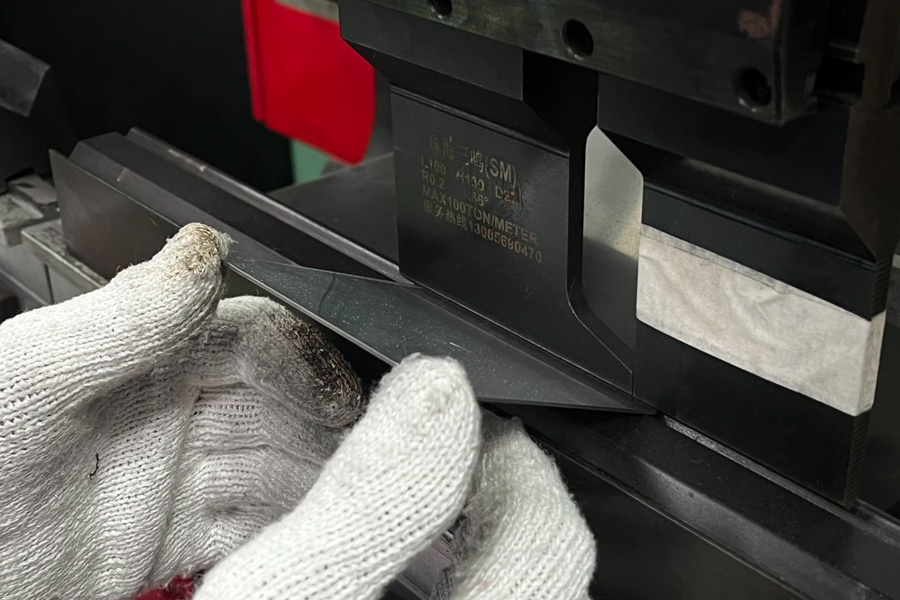
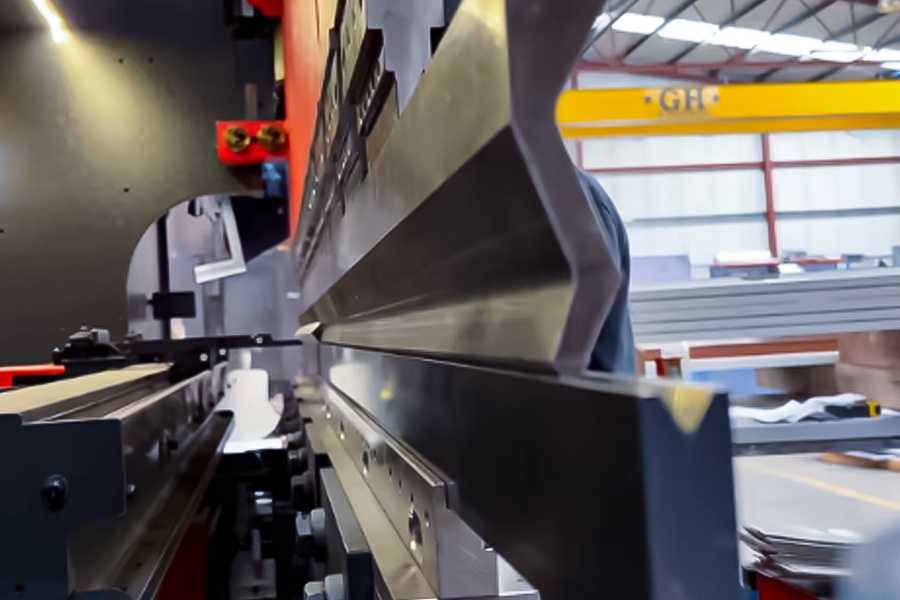
2. Bending link usually refers to the prevention and control of the sheet material on the bending equipment, through the pressure of the upper die or the lower die to make the sheet material elastic deformation, and then the process of plastic deformation according to the actual design scheme after elastic deformation. In the application process of this link, different parts should be selected according to the actual design requirements, and the actual bending operation should be determined according to the thickness of the raw material of the sheet metal. According to the actual bending experience, local abnormal deformation is prone to occur in the bending process, which affects the appearance quality and practical application of the sheet metal parts. Therefore, in the actual operation process, if the bending process is to be optimized, the operator should do the incision in advance according to the actual situation, to avoid the subsequent deformation problem. At the same time, when the parts need to be bent many times, a comprehensive estimate should be made in all bending operations to avoid the influence of medical sheet metal processing bending operations on the subsequent bending process, so as to achieve the expected sheet metal design objectives.
Key Words
Related Information

Quality-oriented-value symbiosis

Address: No.8, Chuangye East Road, Xiaolin District, Liangang Industrial Zone, Jinwan District, Zhuhai City, Guangdong Province
Links: