


News Center
Quality-oriented-value symbiosis
Precision sheet metal welding processing: in-depth interpretation of technical core and industry application
Release time:
2025-04-25
This article systematically explains the process flow of precision sheet metal welding, the manufacturing standards of medical sheet metal parts and inkjet printer chassis, analyzes weld quality control and industry application scenarios, and helps enterprises make selection decisions.
As the core process of metal component forming, sheet metal welding directly affects the structural strength and service life of the product. In the fields of medical equipment, industrial equipment, etc., precision sheet metal welding processing has become a key technical link to ensure the functionality of equipment through micron-level precision control and material adaptability optimization.
Special requirements for medical sheet metal parts
● Biocompatibility requirements: Medical sheet metal parts such as surgical instrument trays and imaging equipment brackets must use 316L stainless steel and other materials that have passed ISO 10993 certification, and impurities must be avoided during the welding process.
● Aseptic environment adaptation: The weld must be fully enclosed, and the surface roughness must be controlled at Ra≤0.4μm to prevent bacterial residues.
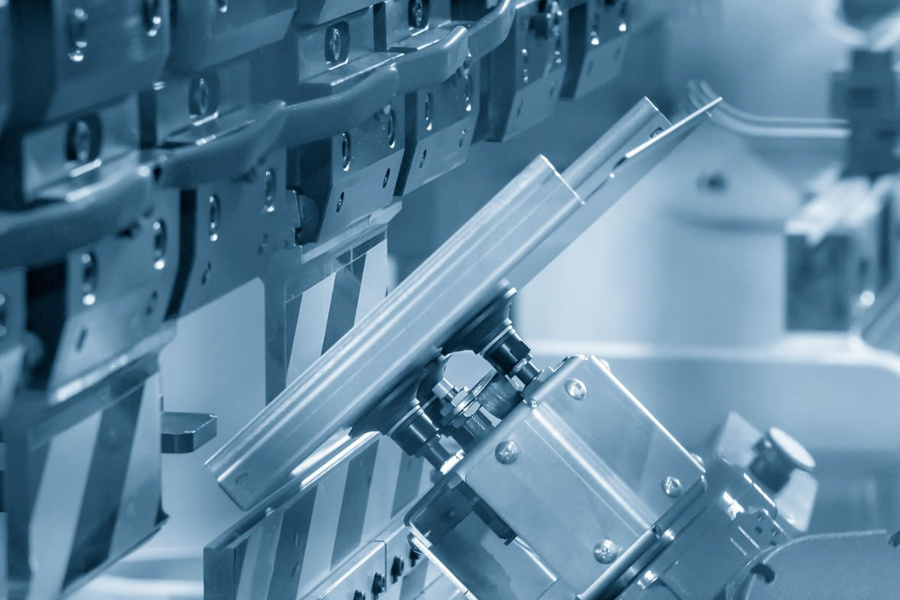
● Micro-deformation control: Pulsed laser welding is used to reduce the heat-affected zone to within 0.2mm to prevent precision parts from deforming due to thermal stress.
Reliability standards for industrial equipment
Taking the inkjet printer chassis as an example, its welding must meet the following requirements:
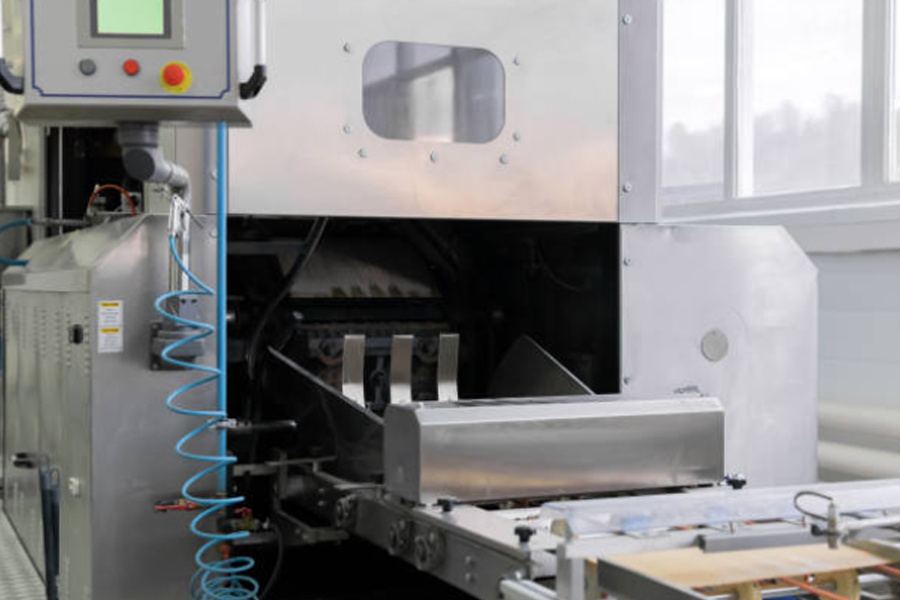
● Electromagnetic shielding: Continuous welds are used to ensure the continuity of the box's conductivity and reduce the risk of signal interference.
● Anti-seismic design: Improve the rigidity of the chassis structure through the rib welding process to adapt to the vibration environment of the high-speed production line.
● Heat dissipation optimization: Use intermittent welding point layout at the heat dissipation hole to balance the structural strength and ventilation efficiency.
Full process analysis of precision sheet metal welding
Material pretreatment specifications
● Cutting accuracy guarantee: Laser cutting error ≤±0.1mm to avoid subsequent welding dislocation (applicable to inkjet printer chassis assembly parts).
● Groove design: For plates above 2mm, Y-shaped groove is used to increase the penetration depth and improve the tensile strength of the weld.
Core welding technology comparison
Current mainstream processes include laser welding, argon arc welding and resistance spot welding, which are suitable for different scenarios:
● Laser welding: Mainly used for 0.5-3mm thin plate processing, thermal deformation is controlled within 0.05mm, suitable for high-precision medical sheet metal parts such as endoscope brackets and sensor housings.
● Argon arc welding: suitable for complex structural parts, the weld width can be precisely controlled at 0.8-2mm, and is often used for parts with high airtightness requirements such as inkjet printer chassis sealing frames and medical equipment bases.
● Resistance spot welding: suitable for rapid splicing of multi-layer plates, with a weld spot diameter of 1-3mm, and is mostly used for non-load-bearing structures such as industrial equipment protective covers and electrical cabinets.
Key steps in post-weld processing
● Stress relief: 550℃×2h annealing treatment of large medical equipment frames to release welding residual stress.
● Surface finishing: Vibration grinding process is used to deal with weld burrs to ensure that medical sheet metal parts feel smooth.
● Non-destructive testing: Industrial CT scanning detects internal pores, and X-ray flaw detection spot checks weld fusion.
Industry technology evolution direction
● Intelligence: The welding robot path automatically corrects and monitors the molten pool status in real time
● Greening: Low smoke welding wire and waste recycling system reduce production pollution.
Precision sheet metal welding processing is transforming from "experience-driven" to "data-driven". Driven by the demand for miniaturization of medical equipment and intelligent industrial equipment, only by deeply cultivating material properties, process adaptation and quality control can we provide the industry with truly cost-effective solutions.
Key Words
Related Information

Quality-oriented-value symbiosis

Address: No.8, Chuangye East Road, Xiaolin District, Liangang Industrial Zone, Jinwan District, Zhuhai City, Guangdong Province
Links: