


News Center
Quality-oriented-value symbiosis
Precision sheet metal processing: Unlocking high-precision supporting solutions for the manufacturing industry
Release time:
2025-05-14
As the cornerstone of precision supporting manufacturing, precision sheet metal processing analyzes its full-process process integration, material adaptability and automated production advantages, covering applications in the fields of smart printing, industrial inkjet printing, medical equipment, etc., revealing the core points of quality control and the value of customized services, and helping companies choose efficient processing solutions.
In the process of precision manufacturing in modern manufacturing, precision sheet metal processing is like the "flexible tailor" in the industrial field. Through the precise shaping of metal sheets, it provides key components with both functionality and stability for high-end equipment. This processing technology that combines technical precision and craftsmanship aesthetics is not only the basis for the efficient operation of equipment such as inkjet printers and industrial inkjet printers, but also an important manufacturing support for precision devices such as medical equipment shells. This article will analyze how precision sheet metal processing has become an important boost to the upgrading of the manufacturing industry from the dimensions of technical advantages, industry applications, quality control and customized services, as well as the core points that companies need to pay attention to when choosing processing services.
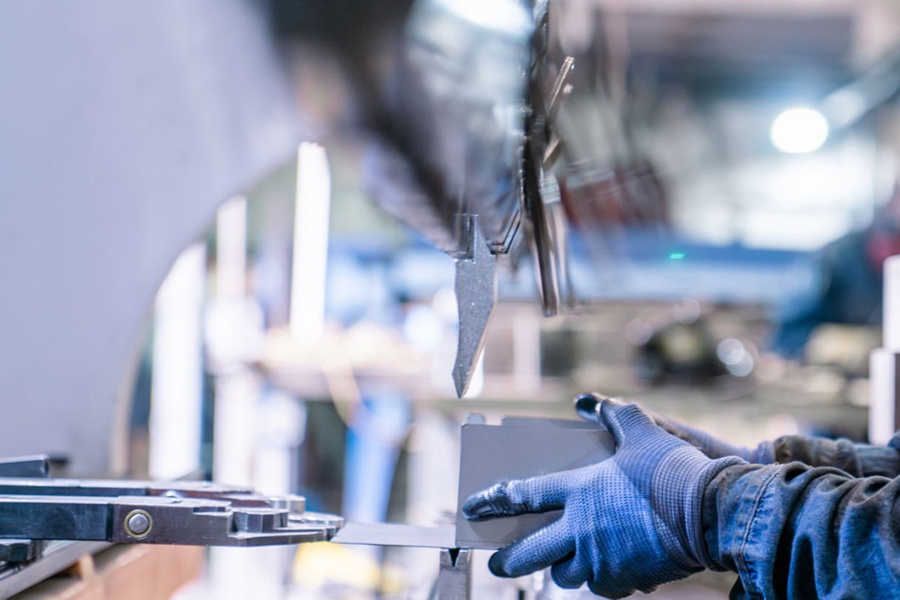
Precision sheet metal processing: Reshaping the value of industrial components with technical precision
Precision sheet metal processing is not a simple metal cutting and bending, but an industrial manufacturing art with millimeter-level precision through the coordinated cooperation of multiple processes. Its core advantages are reflected in:
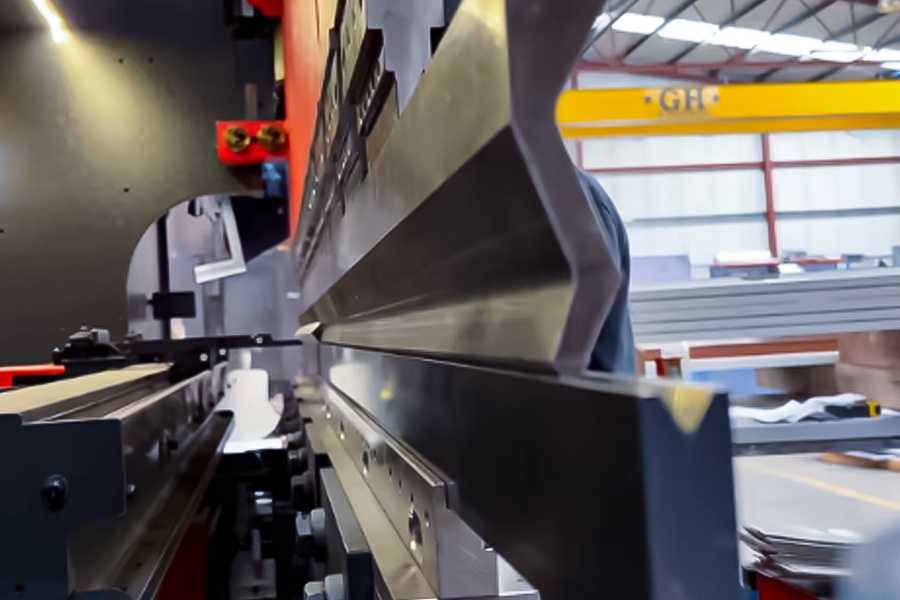
Full-process process integration capabilities From the burr-free edge processing of laser cutting, to the precise angle control of CNC bending, to the corrosion-resistant treatment of surface spraying, each process needs to rely on high-precision equipment and mature process systems. For example, in the processing of medical equipment shells, multiple molding processes are required to ensure the sealing and impact resistance of the shell to avoid seam gaps or surface defects that may occur in traditional processing.
Flexibility of material adaptation Whether it is the lightweight demand of aluminum alloy or the high-strength and corrosion-resistant characteristics of stainless steel, precision sheet metal processing can select suitable metal materials and formulate processing plans according to the application scenarios of different industries. This deep combination of materials and processes allows the core components of the same type of equipment to meet both functional requirements and the streamlined requirements of appearance design.
The efficiency improvement of automated production can greatly reduce the errors caused by manual intervention with the help of intelligent processing equipment, such as fully automatic CNC punching machines, robot welding units, etc., while achieving the stability of mass production. For components that require large-scale matching, such as industrial inkjet printers, stable processing accuracy means that the consistency of the entire equipment is effectively guaranteed.
Precision sheet metal application code in multiple scenarios
The value of precision sheet metal processing presents differentiated demand characteristics in different industries:
In the field of intelligent printing equipment, the processing of core parts of inkjet printers has extremely high precision requirements. For example, the nozzle bracket needs to ensure micron-level positioning accuracy to avoid offset or ink breakage during printing. Through the bending and surface plating of precision sheet metal processing, the wear resistance and conductivity of the components can be effectively improved, and the service life of the equipment can be extended.
Industrial inkjet printer manufacturing The high dust and strong vibration scenes in the industrial environment require the sheet metal structure of the inkjet printer to have excellent protection performance. During the processing, it is necessary to use processes such as reinforcing rib design and sealing strip slot processing to ensure the stability of the equipment under harsh working conditions, while taking into account the rationality of the heat dissipation hole layout to avoid overheating of internal components.
Precision manufacturing of medical equipment The processing of medical equipment shells not only needs to meet quality system standards such as ISO 13485, but also consider ergonomic design. For example, the arc transition treatment of the surgical instrument shell, the antibacterial properties of the surface anodizing, and the electromagnetic shielding design of the internal circuit board bracket all require precision sheet metal processing to achieve dual guarantees of function and safety.
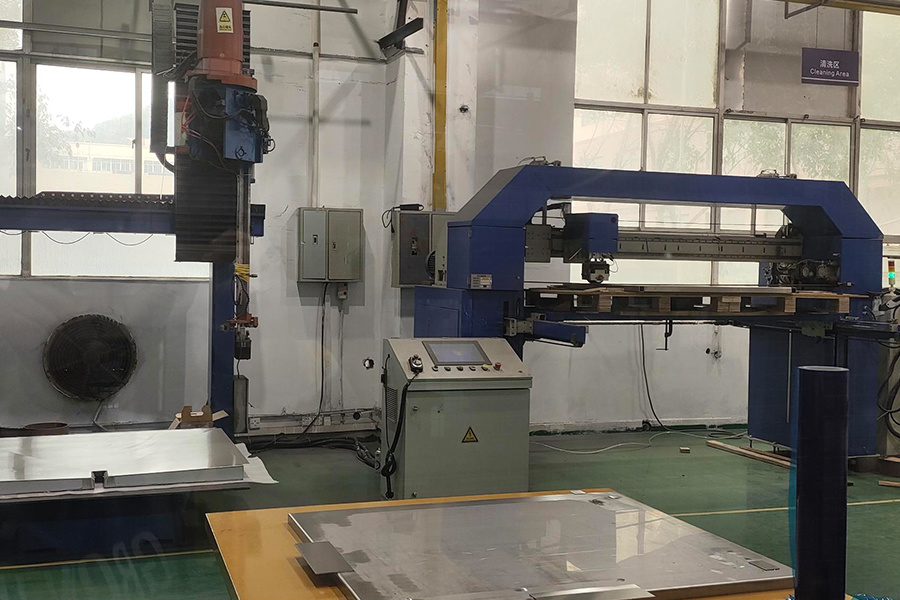
Quality Control: The Invisible Competitiveness of Precision Sheet Metal Processing
For the manufacturing industry that relies on the accuracy of components, stable quality output is the core consideration for selecting a processing service provider:
The whole process inspection system, from the spectral analysis of raw materials entering the warehouse, to the three-coordinate measuring instrument dimensional verification after molding, to the salt spray test after surface treatment, each link needs to establish a traceable quality file. In particular, medical precision sheet metal processing requires extra attention to biocompatibility testing to ensure that parts that come into contact with the human body meet medical-grade safety standards.
Continuous optimization of error control Through the PDCA cycle (Plan-Execute-Check-Process), common errors in the processing process (such as bending rebound and welding deformation) are analyzed digitally, and continuous improvement of accuracy is achieved through mold optimization or process parameter adjustment. This quality culture of pursuing "zero defects" is a necessary condition for long-term service to high-end customers.
Balance between standardization and customization On the basis of meeting the general industry standards (such as GB/T 15055 sheet metal processing dimensional tolerances), flexible solutions are provided for customers' personalized needs (such as special surface textures and customized mounting holes). For example, parts designed for a certain type of inkjet printer may need to add an anti-static coating process to the standard processing flow.
Customized service: full-cycle collaboration from drawings to finished products
The value of precision sheet metal processing lies not only in technical implementation, but also in the deep collaboration with customers:
The importance of early process review intervenes in the drawing design stage and makes suggestions from the perspective of processing feasibility. For example, optimizing complex multi-component splicing structures into integrated molding can reduce both processing difficulty and assembly errors. This "advance" service thinking can often save customers more than 30% of the later adjustment costs.
The verification mechanism of small-batch trial production For fields with extremely high reliability requirements such as medical equipment, small-batch trial production is used to conduct installation tests, collect feedback from actual applications (such as installation convenience and heat dissipation effect), and then iteratively optimize the processing plan. This progressive development model can effectively reduce the risk of large-scale production.
The efficiency of supply chain collaboration guarantees that processing companies with mature supply chain management capabilities can reasonably arrange raw material procurement, processing scheduling and logistics distribution according to the customer's delivery cycle. For example, for urgent orders, by reserving general sheet metal inventory and prioritizing equipment capacity, the delivery time can be compressed while ensuring accuracy.
As the "precision supporting cornerstone" of the manufacturing industry, the value of precision sheet metal processing has long surpassed simple processing services and has become a key factor in promoting equipment performance upgrades. Whether it is high-precision parts for smart printing equipment or safety shells for medical equipment, the deep integration of processing technology and industry needs is indispensable behind it. For enterprises, choosing a processing service provider who has been deeply involved in the industry for many years can not only obtain stable quality assurance, but also achieve competitiveness improvement from components to complete machines through customized process optimization. As the manufacturing industry moves towards intelligence and high-end, precision sheet metal processing will continue to enable innovation and development in more fields with technical precision and service depth.
Key Words
Related Information

Quality-oriented-value symbiosis

Address: No.8, Chuangye East Road, Xiaolin District, Liangang Industrial Zone, Jinwan District, Zhuhai City, Guangdong Province
Links: