


News Center
Quality-oriented-value symbiosis
Automotive Chassis Processing: Techniques & Quality Control
Release time:
2025-05-21
Unveiling the whole process of automobile chassis processing, covering core processes such as material pretreatment, stamping, welding and assembly, and explaining in detail the precautions for precision control, surface treatment and assembly and debugging, helping to understand the technical code of chassis safety and quality.
When a bus is running smoothly on the road or calmly dealing with complex road conditions, the solid and reliable chassis is indispensable. As the skeletal system of the car, the processing accuracy and craftsmanship of the chassis directly determine the safety, comfort and stability of driving. Today, we will reveal the whole process of automobile chassis processing and see how these steel parts become invisible guards to protect safety in the craftsmanship.
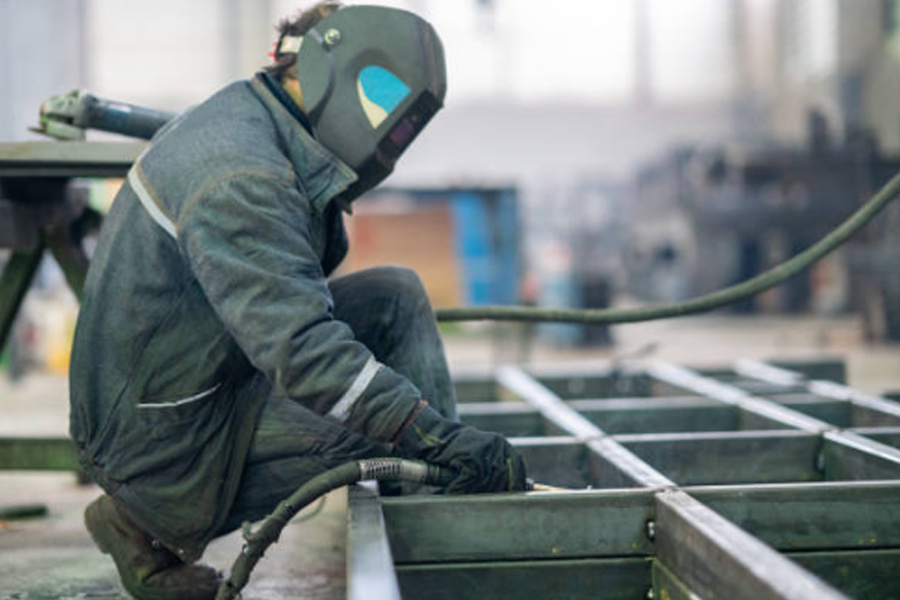
Material pretreatment: Put on a customized coat for steel
The processing journey of the automobile chassis begins with the careful selection of steel. High-strength steel plates, aluminum alloys and other materials are like uncut jade waiting to be carved. First of all, they must undergo a strict physical examination - the purity of the components is tested through spectral analysis to ensure that the fatigue resistance and rigidity meet the standards. The subsequent "surface beauty" link is also critical: the oil and oxide layer on the surface of the steel will affect the subsequent processing, just like washing and cutting food, sandblasting and chemical degreasing allow the steel to reveal a clean skin and prepare for the subsequent process. More sophisticated processes will cover the steel with a "protective film" and give the metal immunity to rust in advance through phosphating or galvanizing.
Stamping: Give steel a flexible soul
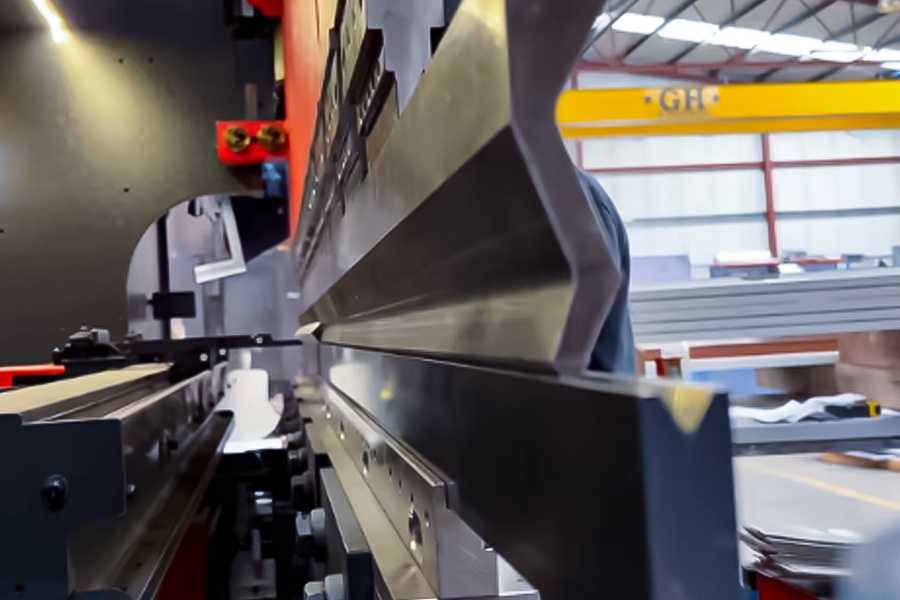
Facing the cold and hard steel plates, the stamping die is like a pair of magic hands, giving the steel a precise geometric shape. The large stamping machine is like a steady strongman, pressing the steel plate into the die with hundreds of tons of pressure, and instantly completing the initial shaping of the chassis parts. This process requires extreme precision control: the error of the die must be controlled at the hairline level, otherwise the formed parts may be misaligned, affecting subsequent assembly. For subframes, longitudinal beams and other parts with complex structures, multiple sets of molds are often required to work in relays, just like a potter carving layer by layer, and finally giving the steel a beautiful curve that meets the design requirements.
Welding and assembly: Building the steel bones of the chassis
The formed parts are like scattered bone fragments, which need to be spliced into a complete chassis structure through welding technology. Welding robots are the main craftsmen in this link. They wield welding guns and complete spot welding, arc welding and other operations with millisecond accuracy to form a strong connection between metal parts. Welding of different materials requires individual attention: welding of high-strength steel requires temperature control. Too high a temperature will damage the material properties, while too low a temperature will result in a loose bond; aluminum alloy welding is more like fine embroidery, which needs to be completed under the protection of inert gas to avoid oxidation affecting strength. After welding, the chassis frame is also subjected to CT scanning - ultrasonic flaw detection is used to detect the quality of the internal welds to ensure that there are no "hidden cracks".
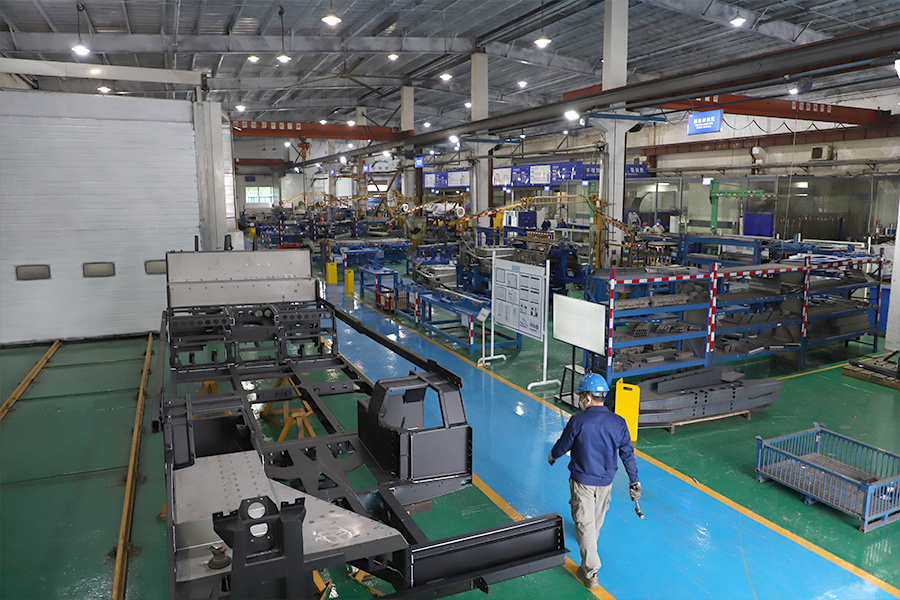
Surface treatment: Put on protective armor for the chassis
The chassis that has undergone muscle and bone remodeling requires a comprehensive skin care process to resist external erosion. The first is electrophoretic coating, which is like covering the metal surface with a layer of transparent moisturizing lotion: the chassis is immersed in a charged paint solution, allowing the paint molecules to adhere evenly to every corner, even to gaps that are difficult to see with the naked eye. The subsequent spraying process is to put on a colored coat, and select a topcoat with excellent anti-corrosion performance according to design requirements, which can not only improve the aesthetics, but also form a second layer of protective barrier. For the bottom of the chassis that is vulnerable to impact, an additional anti-wear armor is sprayed - the granular protective coating is like adding an anti-scratch shield to the chassis, effectively resisting damage caused by splashing gravel.
Parts processing: the truth is in the details
The key parts on the chassis, such as the steering knuckle and suspension arm, are the joints and muscles of the car, and the processing accuracy directly affects the handling performance. The precision CNC lathe is like a surgeon, cutting metal with micron-level accuracy to ensure that the dimensions of key parts such as bearing holes and threaded holes are exactly the same. The heat treatment process is to relax the muscles and blood circulation of the parts: through the temperature magic of quenching and tempering, the internal structure of the metal is reorganized to obtain mechanical properties that are both rigid and flexible - just like athletes improve their explosive power and endurance through scientific training. The processed parts must also undergo "rigorous assessment" and use a three-coordinate measuring instrument to detect key dimensions to ensure that each joint can operate flexibly and stably.
General assembly and debugging: Make the chassis a coordinated dancer
When all the parts are ready, the general assembly process is like a precise symphony performance. Suspension systems, transmission systems, brake systems and other components are installed on the chassis in an orderly manner, just like installing muscles and nerves on bones. The control of bolt tightening torque is the key among the keys: too loose will cause loose components and abnormal noise, and too tight may cause thread stripping. Intelligent tightening equipment is like a precise tuner, ensuring that each bolt reaches the harmonious force required by the design. In the final dynamic debugging stage, the chassis will be sent to a simulated examination room: the vibration table simulates the bumps of different road conditions to detect whether there are abnormal noises or looseness; the four-wheel alignment equipment is like a body coach, adjusting the wheel angle to keep the chassis in the best posture during driving.
Every process is a promise of safety
The processing process of the automobile chassis is a perfect ensemble of technology and craftsmanship. From the selection of steel to the debugging of components, every link embodies the awe of safety - just like a craftsman carving a masterpiece, every knife strives for precision. When you embark on a journey, behind the smooth driving experience is the protection of countless processes. Understanding these process details may help you better understand that the chassis of a good car is never a simple pile of parts, but the result of countless careful moments. Choosing a car that focuses on processing technology is to cast a vote of confidence in safety and quality.
Key Words
Related Information
Quality-oriented-value symbiosis

Address: No.8, Chuangye East Road, Xiaolin District, Liangang Industrial Zone, Jinwan District, Zhuhai City, Guangdong Province
Links: