


News Center
Quality-oriented-value symbiosis
Sheet Metal Fabrication: a Magical Transformation from Metal Sheets to Precision Parts
Release time:
2024-10-21
The process of transforming various metal sheet materials into precision parts through complex sheet metal processing techniques is called sheet metal processing, which showcases the skilled craftsmanship of modern manufacturing.
Sheet metal processing is the process of producing various shaped parts or components by cutting, bending, and punching metal sheet materials. This process plays a crucial role in manufacturing because it can produce precision, high-quality, and high-performance parts to meet the needs of various industrial sectors.
Main Steps of Sheet Metal Processing
1. Material Preparation: Select suitable materials, such as steel plate, aluminum plate, and stainless steel plate, based on design requirements and drawings, and preliminarily cut them to the required size.
2. Laser Cutting: Use a laser cutting machine to precisely cut the material to form the desired shape. This step provides the appropriate material shape for subsequent processing.
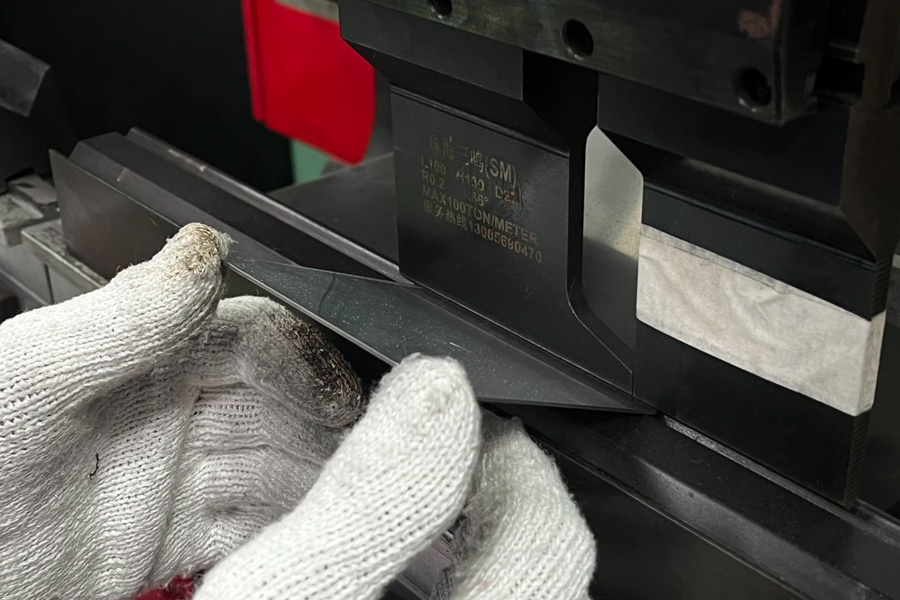
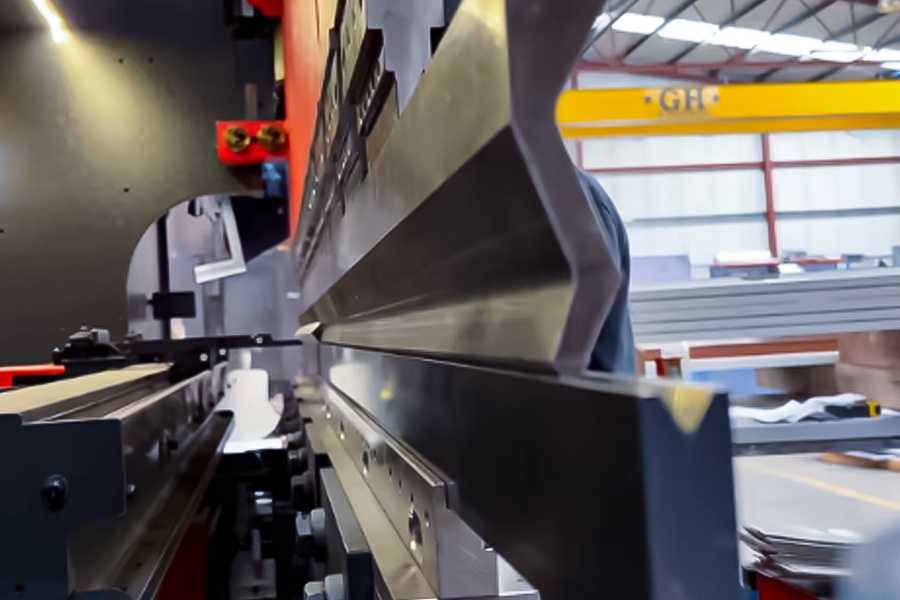
3. Bending: Place the cut material in a bending machine to bend it into the desired angle and shape.
4. Punching: Use a punching machine and molds to punch holes in the sheet metal parts.
5. Forming: Use molds on a regular punching machine or other equipment to deform the workpiece and form more complex shapes.
6. Welding: Weld the formed parts according to design requirements.
7. Surface Treatment: Perform grinding, polishing, and other surface treatment on the welded parts to make the surface smooth and attractive.
8. Powder Coating: Spray the ground parts with a primer and topcoat and dry and solidify them in a powder coating oven.
9. Quality Inspection: Perform quality inspections on finished products to ensure they meet design requirements and quality standards.

Precision and Technological Innovation in Sheet Metal Fabrication
As the manufacturing industry continues to advance, sheet metal fabrication is also moving towards higher precision and efficiency. Here are some technological innovations that are driving precision in sheet metal fabrication:
1. Advanced Processing Equipment: The widespread use of advanced equipment such as CNC machines, laser cutting machines, and bending machines has improved the precision and efficiency of sheet metal fabrication.
2. Precise Measuring Techniques: The use of high-precision measurement tools and methods, such as three-coordinate measuring instruments and laser distance meters, ensures the dimensional and shape accuracy of components.
3. Surface Treatment Techniques: Techniques such as sand belt grinding and polishing can remove defects from components and improve their smoothness and appearance. These techniques can also be customized to meet specific customer requirements.
4. Automation and Intelligence: The introduction of automated production lines and intelligent control systems has achieved automation and intelligence in sheet metal fabrication. This not only improves production efficiency but also reduces labor costs and error rates.

Application fields of sheet metal processing
Sheet metal processing is widely used in various industrial fields, such as aerospace, automobile manufacturing, electronic equipment, communication equipment, and medical devices. In these fields, sheet metal components play a crucial role, not only supporting the structure and function of equipment, but also affecting the performance and reliability of equipment.

In summary, sheet metal processing is a magical transformation process from metal sheet to precision components. Through the introduction of advanced processing equipment, precise measurement technology, surface treatment technology, and automation and intelligentization, sheet metal processing has achieved high precision, high quality, and high efficiency production. At the same time, it is playing an irreplaceable role in various industrial fields, driving the continuous development and progress of manufacturing industry.
Key Words
Related Information

Quality-oriented-value symbiosis

Address: No.8, Chuangye East Road, Xiaolin District, Liangang Industrial Zone, Jinwan District, Zhuhai City, Guangdong Province
Links: