


News Center
Quality-oriented-value symbiosis
Quality inspection of sheet metal processing: equipment and methods for precise control
Release time:
2024-12-05
In modern industrial production, metal sheets are used more and more widely, from automobile manufacturing to electronic products, from architectural decoration to aerospace, metal sheets play an important role. To ensure the quality of metal sheet processing, accurate quality inspection is particularly critical.
During the processing of metal sheets, various quality problems may occur, such as dimensional deviation, surface defects, uneven materials, etc. If these problems are not discovered and solved in time, they will affect the performance, reliability and service life of the product. Therefore, through quality inspection, problems can be discovered in time and corresponding measures can be taken to improve them, thereby ensuring the quality of the product.
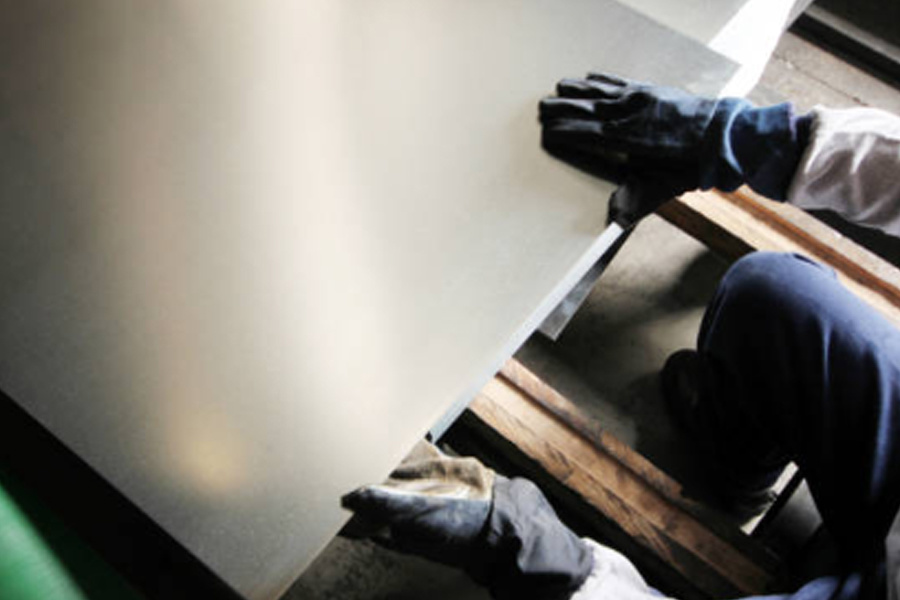
Main equipment for quality inspection
- Three-coordinate measuring machine: Three-coordinate measuring machine is a high-precision measuring device that can accurately measure the size, shape, position, etc. of metal sheets. It realizes all-round measurement of workpieces through the movement of three coordinate axes, and the measurement accuracy can reach the micron level.
- Optical microscope: Optical microscope can perform microscopic observation of the surface of metal sheets and detect surface defects, scratches, cracks, etc. It can be magnified hundreds or even thousands of times, allowing people to clearly see the details of the surface.
- Ultrasonic flaw detector: Ultrasonic flaw detector is a non-destructive testing equipment that can detect defects inside metal sheets, such as pores, slag inclusions, cracks, etc. It emits ultrasonic waves, receives the reflected signal, analyzes the characteristics of the signal, and determines whether there are defects inside.
- Hardness tester: Hardness tester can measure the hardness of metal sheets. Hardness is one of the important indicators for measuring the performance of metal materials. Different hardness testers can measure different types of hardness, such as Rockwell hardness, Brinell hardness, Vickers hardness, etc.
Quality inspection method
- Dimension measurement: Dimension measurement is one of the basic contents of quality inspection. You can use measuring tools such as calipers, micrometers, plug gauges, etc. for manual measurement, or you can use a three-coordinate measuring machine for automatic measurement. When measuring, pay attention to selecting appropriate measuring points and measurement methods to ensure the accuracy of the measurement results.
- Surface inspection: Surface inspection mainly detects the surface quality of metal sheets, such as surface roughness, glossiness, color, etc. You can use optical microscopes, roughness meters, gloss meters and other equipment for inspection. When inspecting, pay attention to selecting appropriate inspection parameters and standards to ensure the reliability of the inspection results.
- Internal inspection: Internal inspection mainly detects the internal quality of metal sheets, such as internal defects, material uniformity, etc. Ultrasonic flaw detectors, X-ray flaw detectors, metallographic analyzers and other equipment can be used for inspection. When inspecting, pay attention to selecting appropriate inspection methods and standards to ensure the accuracy of the inspection results.
- Performance test: Performance testing mainly tests the mechanical properties, physical properties, chemical properties, etc. of metal sheets. Tensile testing machines, impact testing machines, hardness testers, chemical composition analyzers and other equipment can be used for testing. When testing, pay attention to selecting appropriate test conditions and standards to ensure the reliability of the test results.

Precautions for quality inspection
Select appropriate inspection equipment and methods
Different metal sheet processing quality problems require different inspection equipment and methods. When conducting quality inspection, select appropriate inspection equipment and methods according to the specific situation to ensure the accuracy and reliability of the inspection results.
Strictly inspect in accordance with standards
Quality inspection needs to be carried out strictly in accordance with relevant standards and specifications. When conducting inspections, be familiar with the content and requirements of the standards to ensure the comparability and authority of the inspection results.
Calibrate and maintain the testing equipment regularly
The accuracy and reliability of the testing equipment directly affect the quality of the test results. Therefore, the testing equipment should be calibrated and maintained regularly to ensure the stable performance of the equipment.
Strengthen the training and management of testing personnel
The quality and ability of the testing personnel directly affect the quality of the test results. Therefore, it is necessary to strengthen the training and management of testing personnel and improve the professional level and sense of responsibility of testing personnel.
Quality inspection of metal sheet processing is an important part of ensuring product quality. By selecting appropriate testing equipment and methods, strictly following the standards for testing, regularly calibrating and maintaining the testing equipment, and strengthening the training and management of testing personnel, the accuracy and reliability of quality inspection can be effectively improved, providing a strong guarantee for the improvement of metal sheet processing quality.
Key Words
Related Information

Quality-oriented-value symbiosis

Address: No.8, Chuangye East Road, Xiaolin District, Liangang Industrial Zone, Jinwan District, Zhuhai City, Guangdong Province
Links: